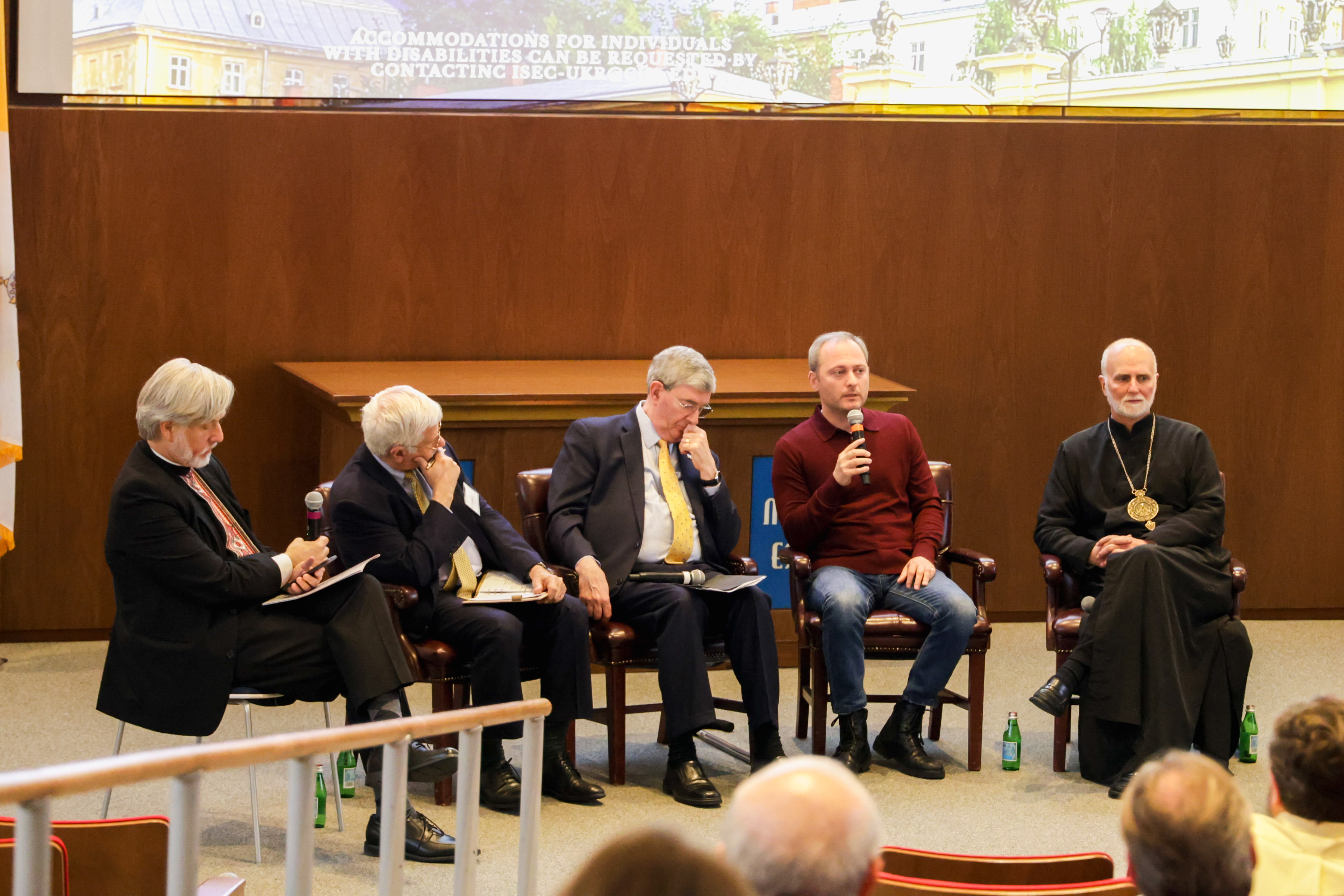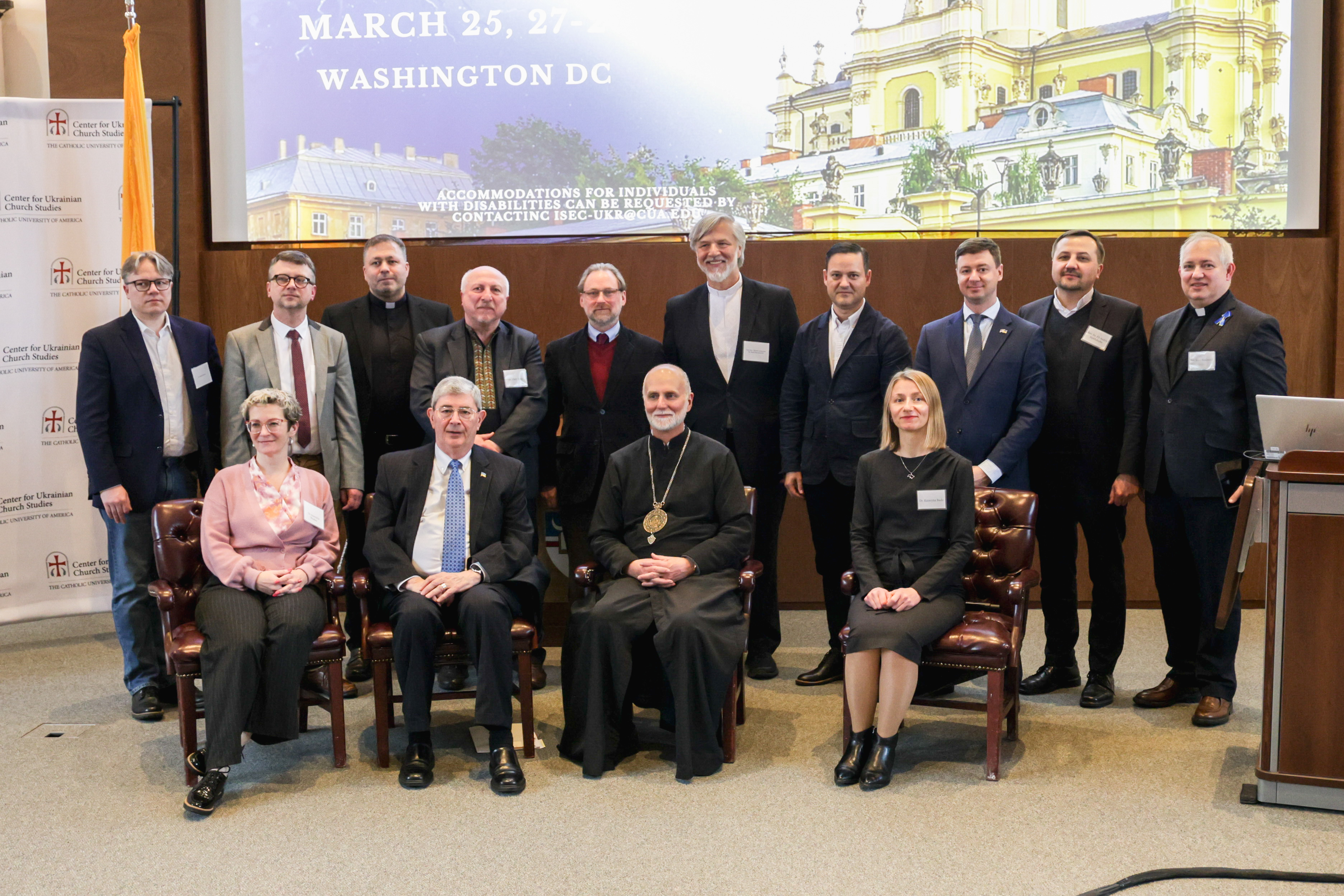
Washington, D.C., March 30, 2026
For more info, contact us here: isec-ukr@cua.edu
Watch the recording of the Conference here.
Sign the Appeal to Protect Religious Freedom of in Russian-occupied territories of Ukraine here.
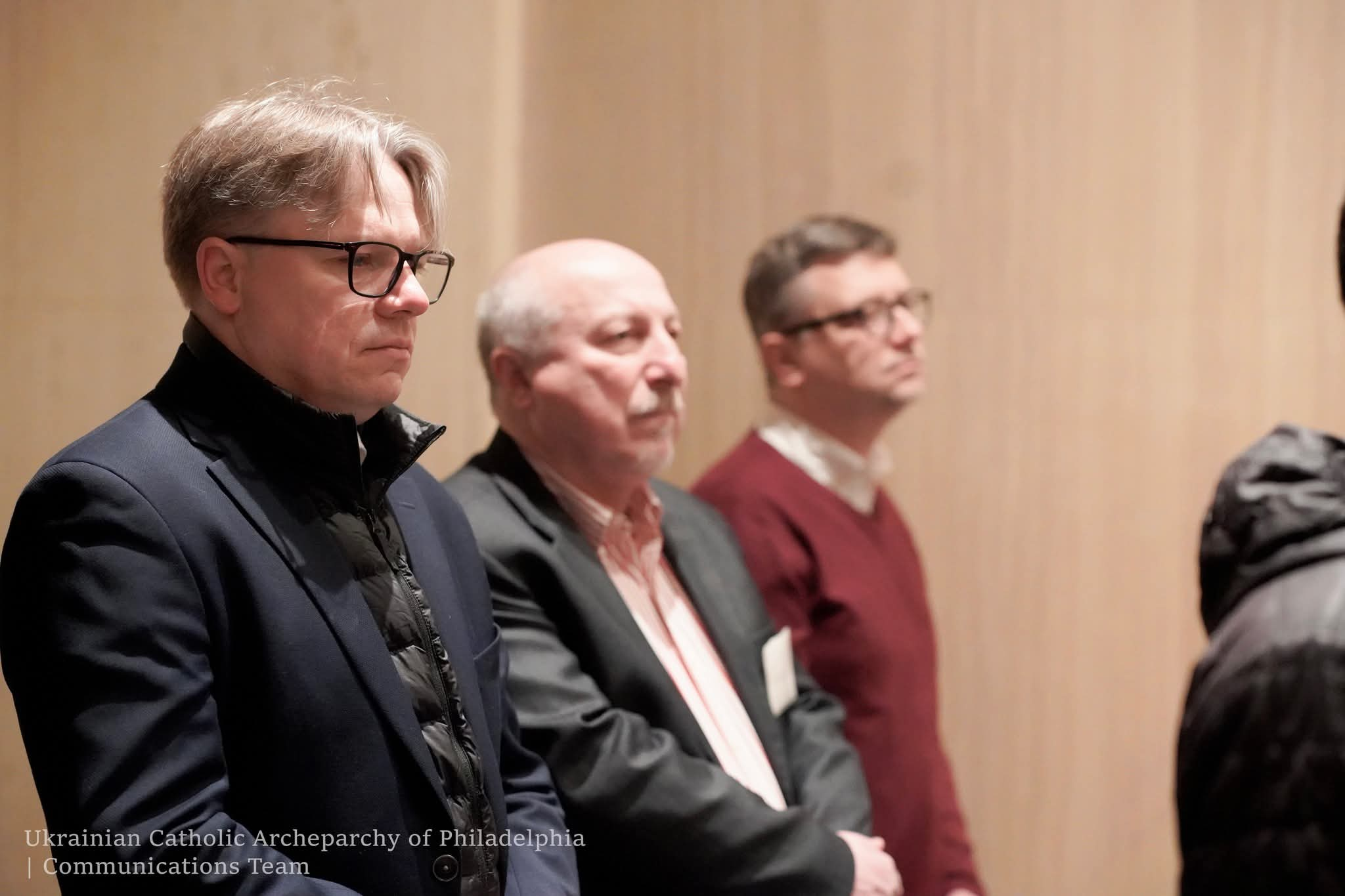
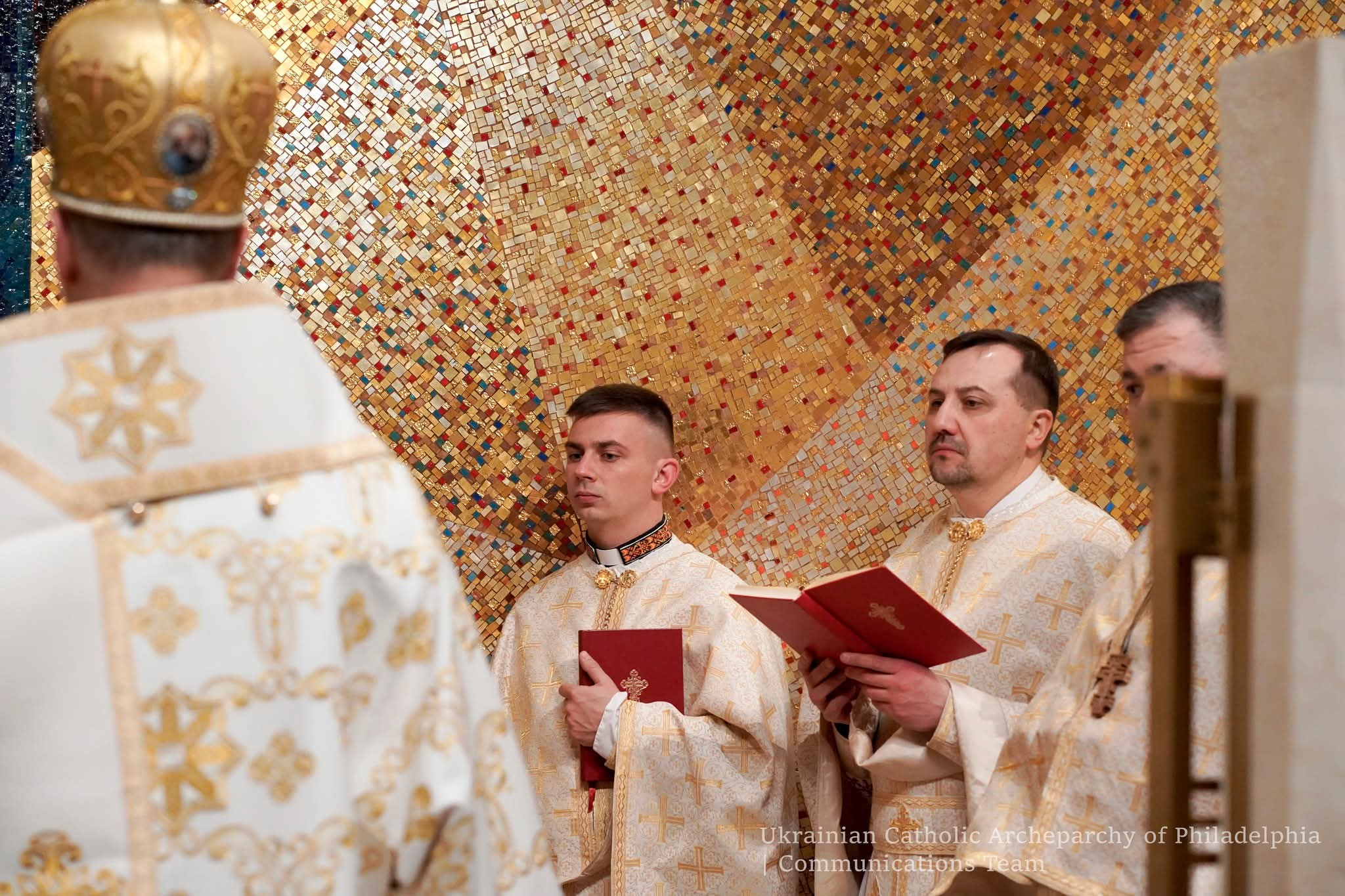
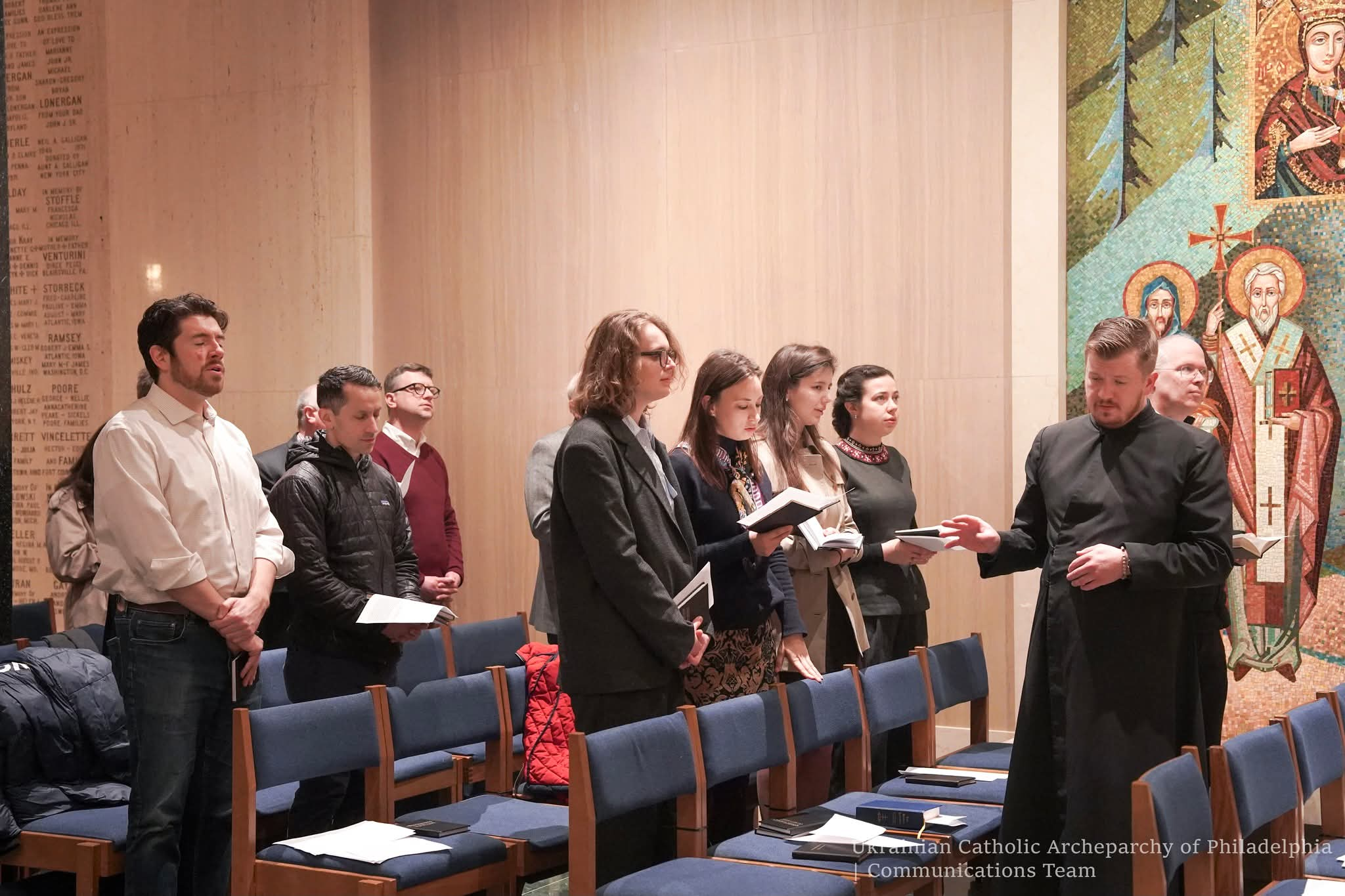
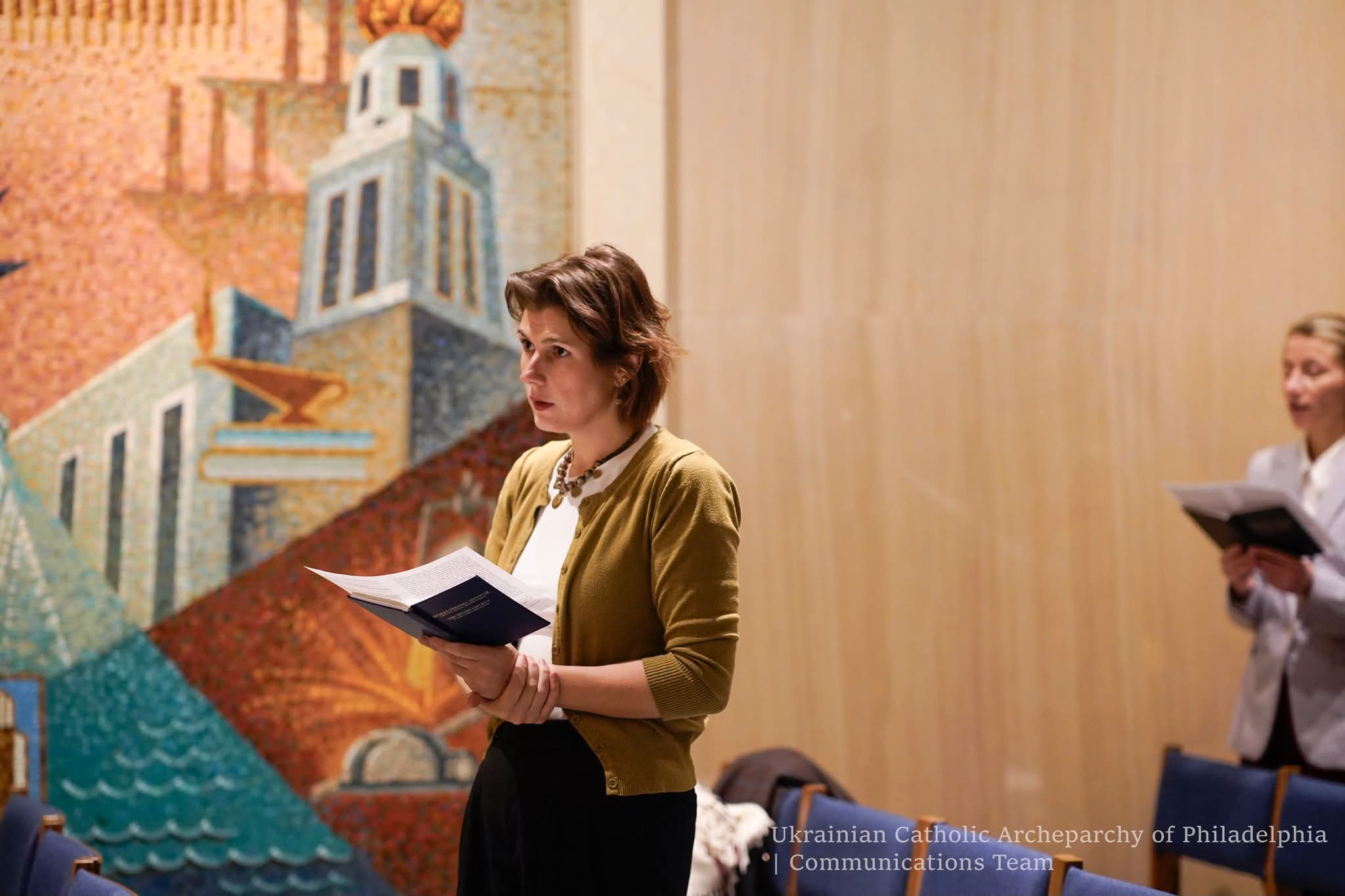
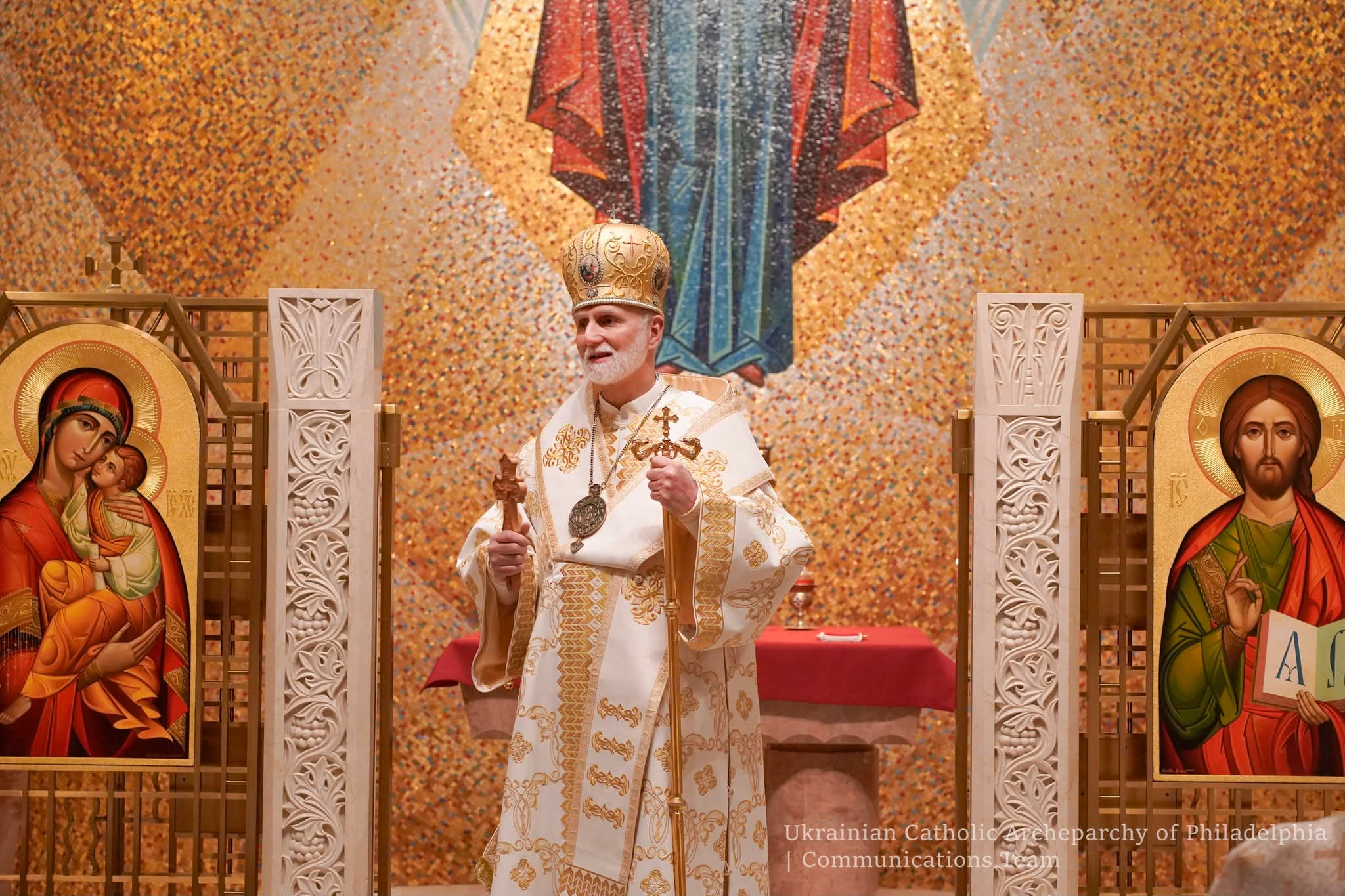
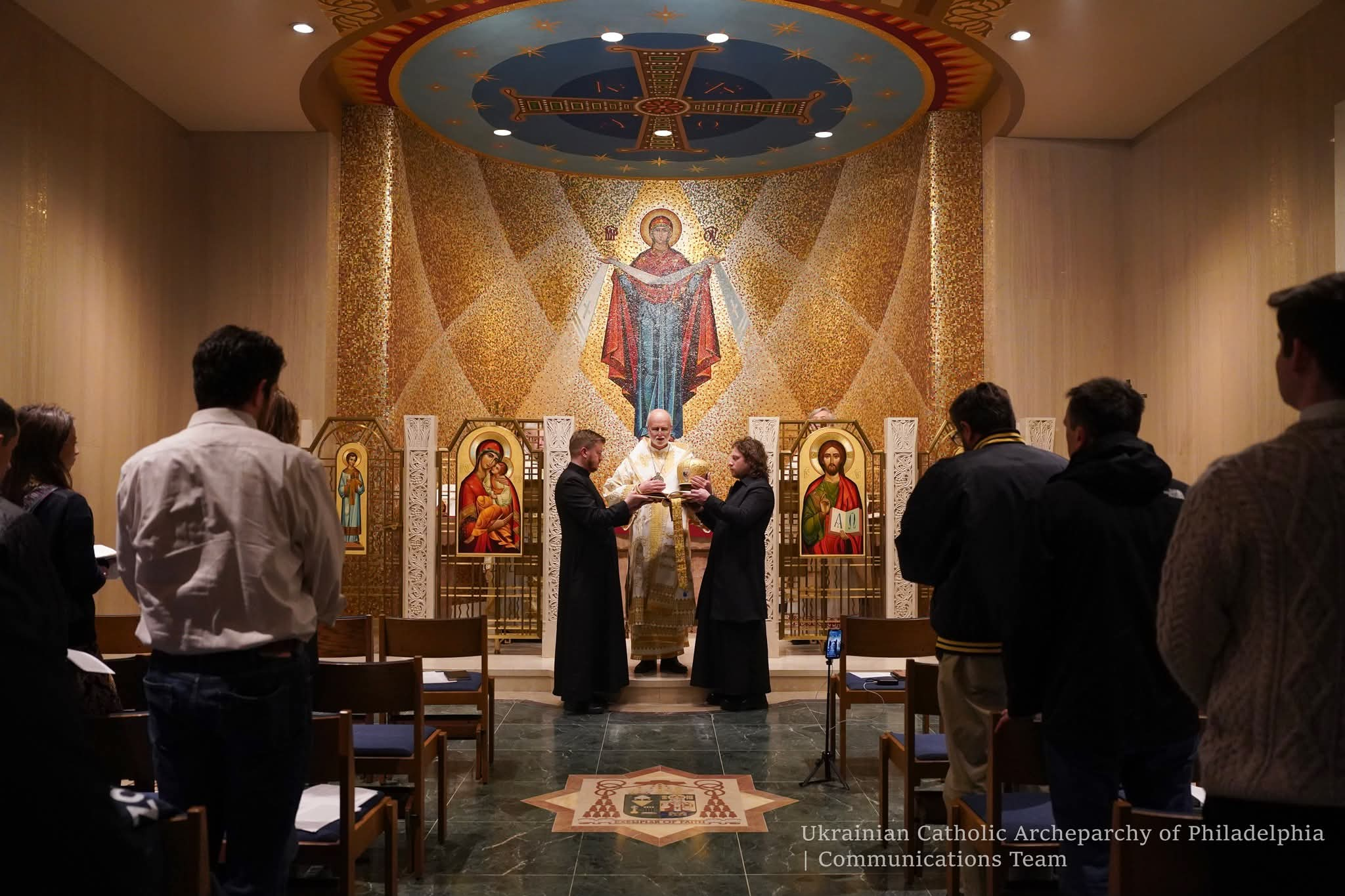
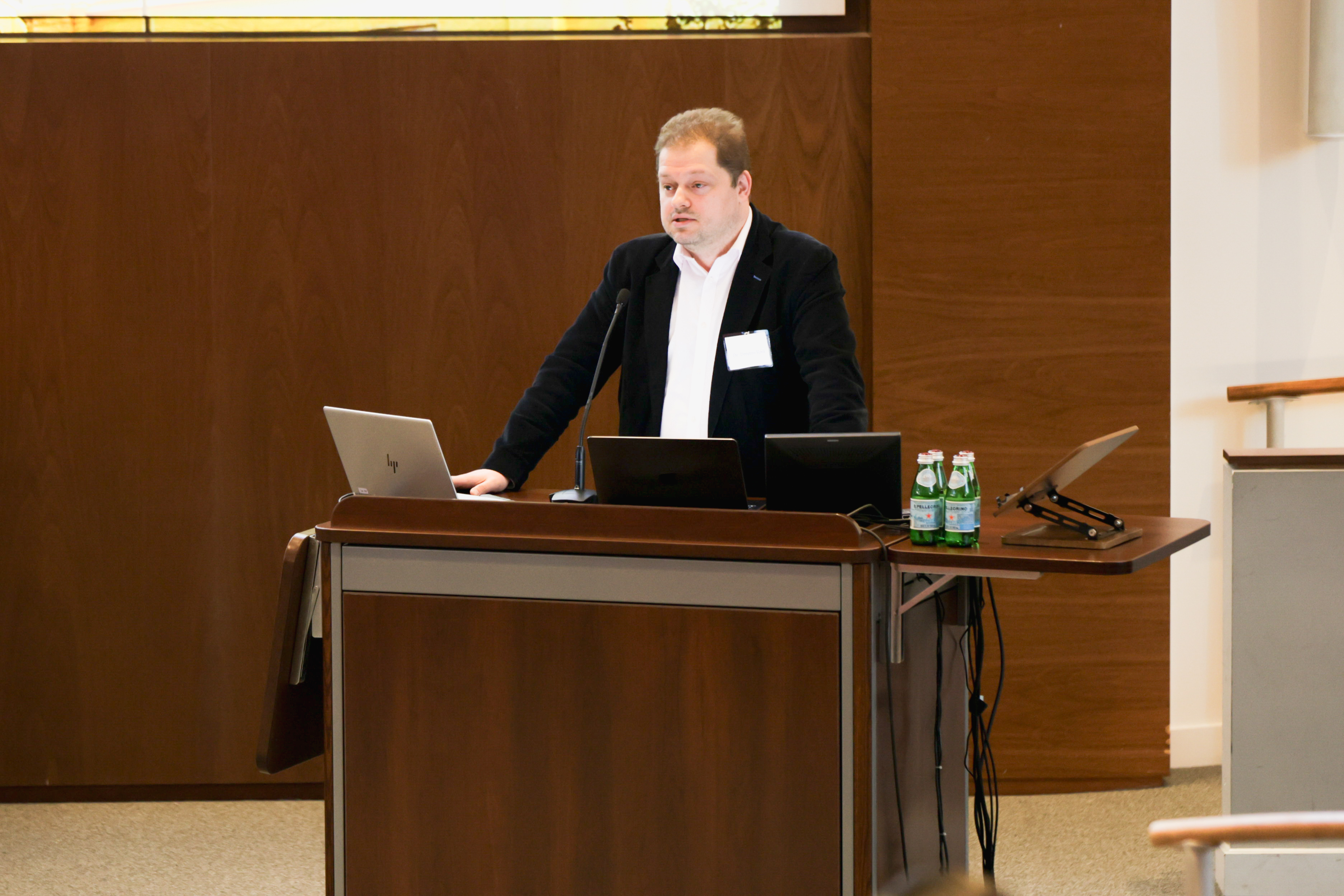
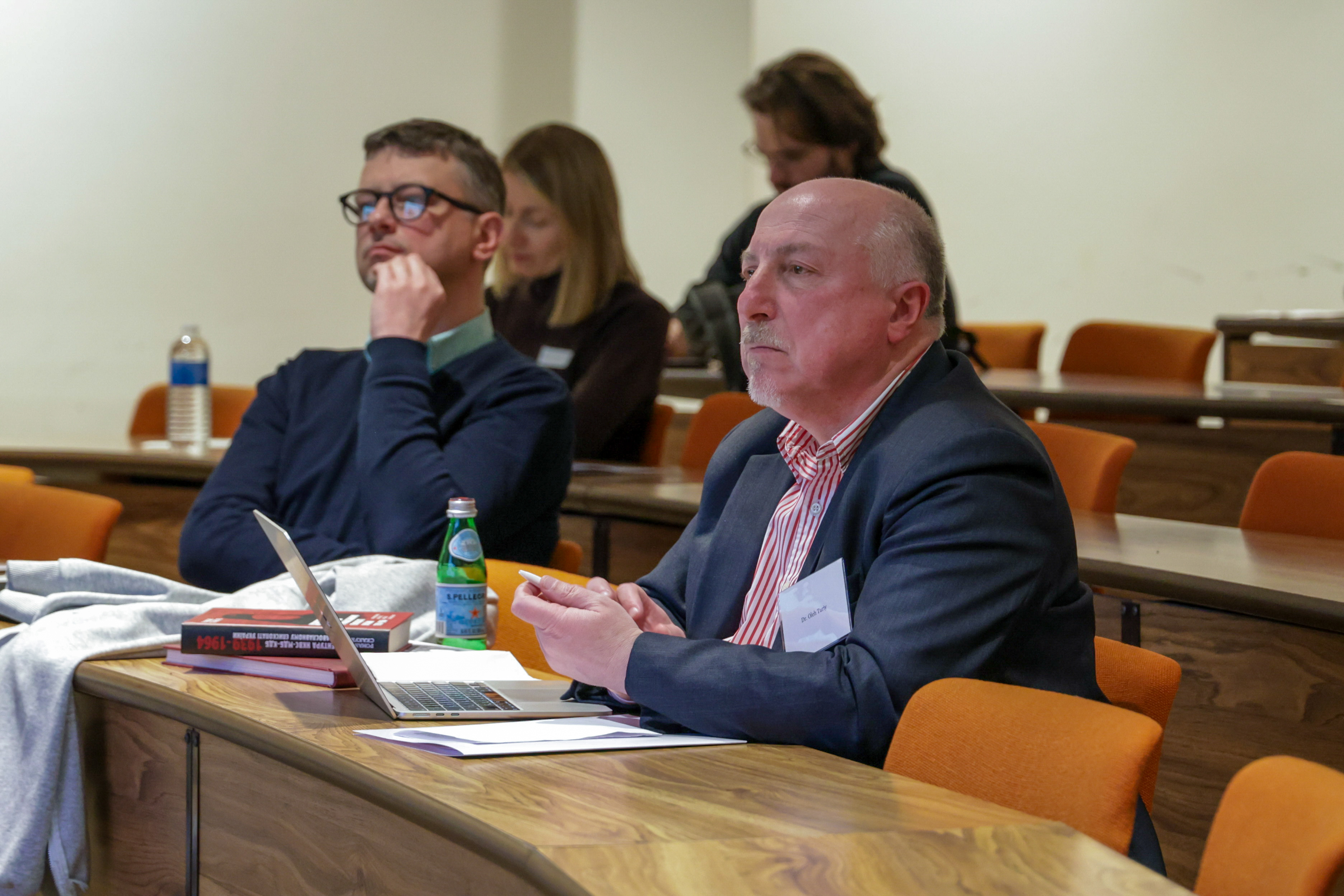
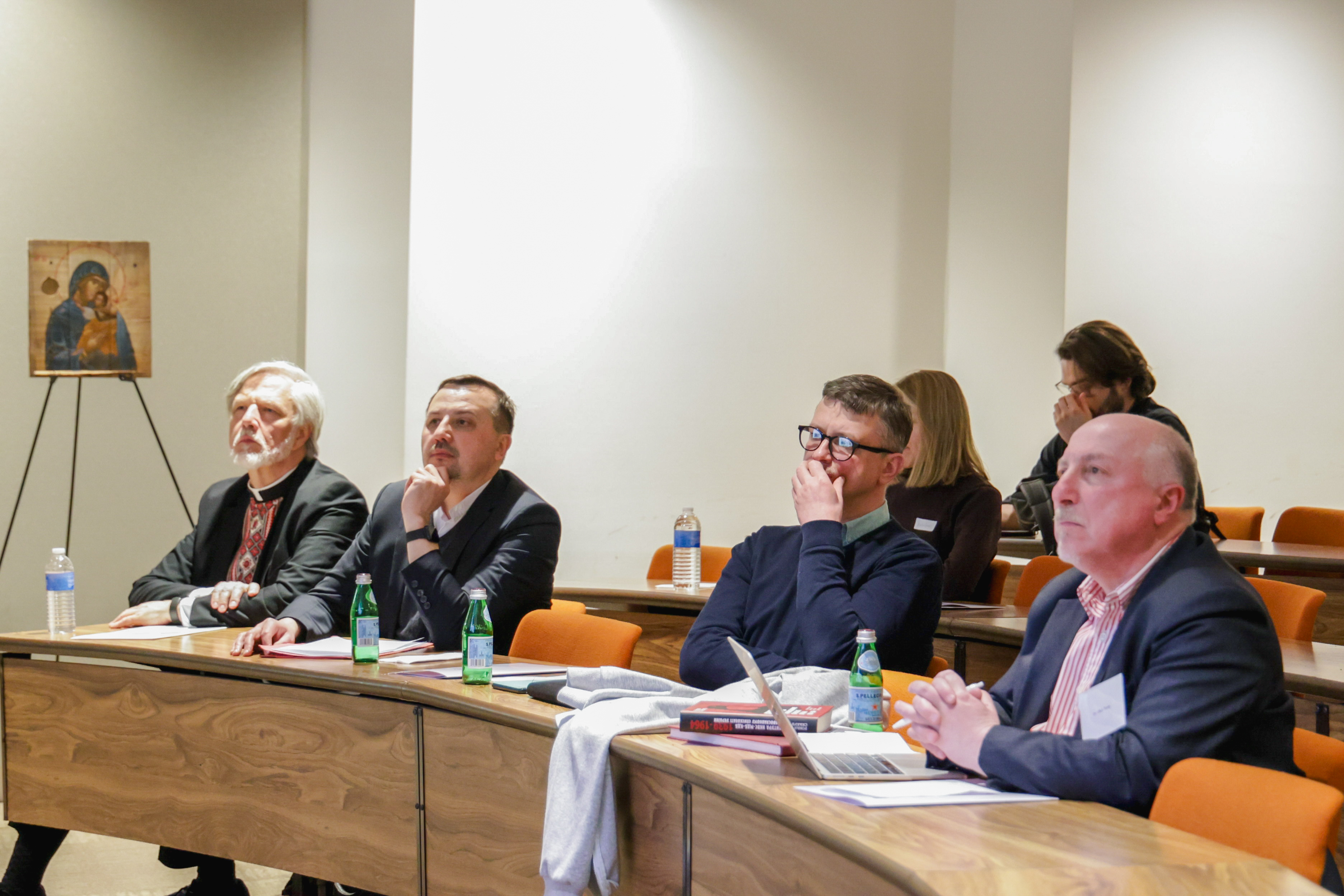
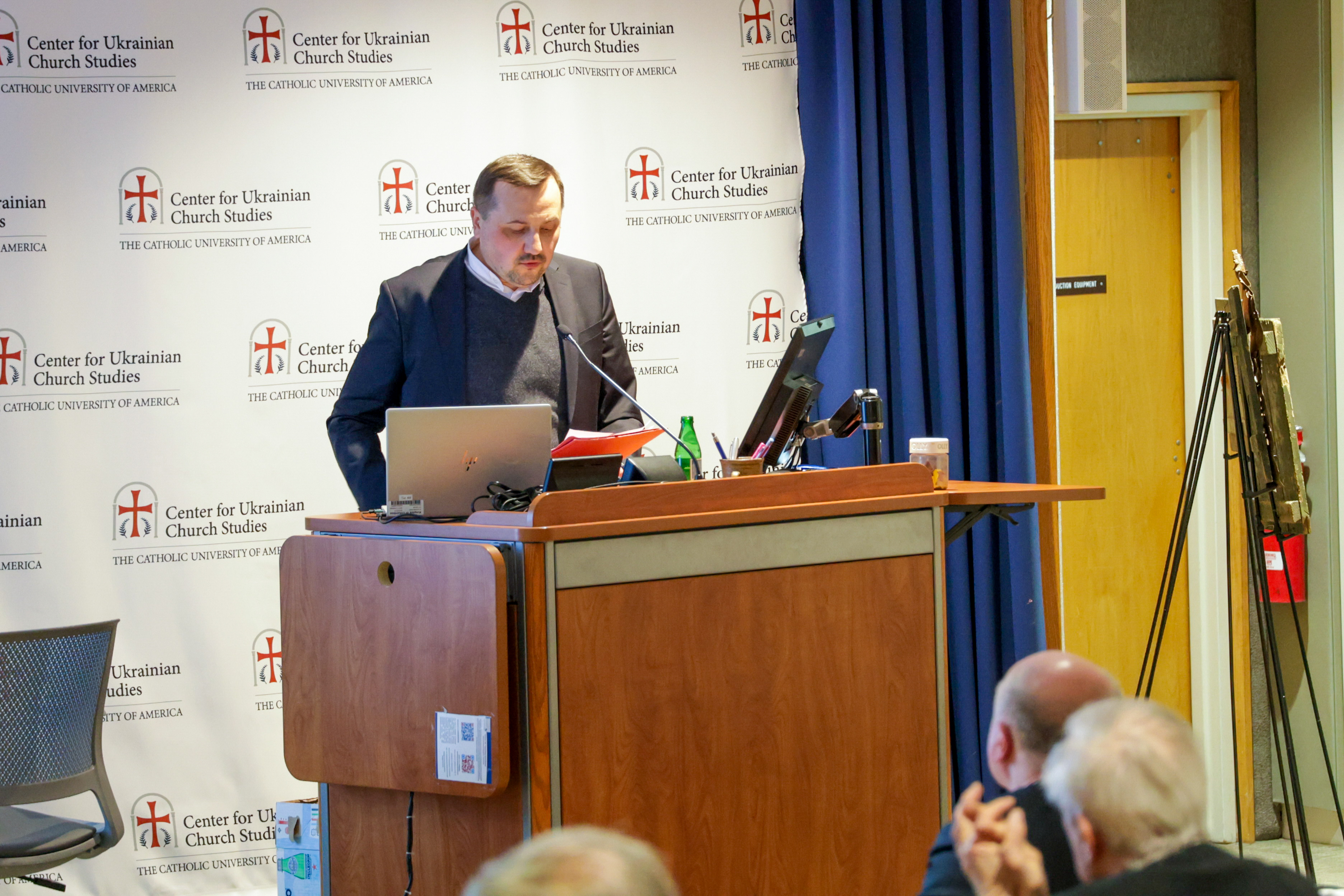
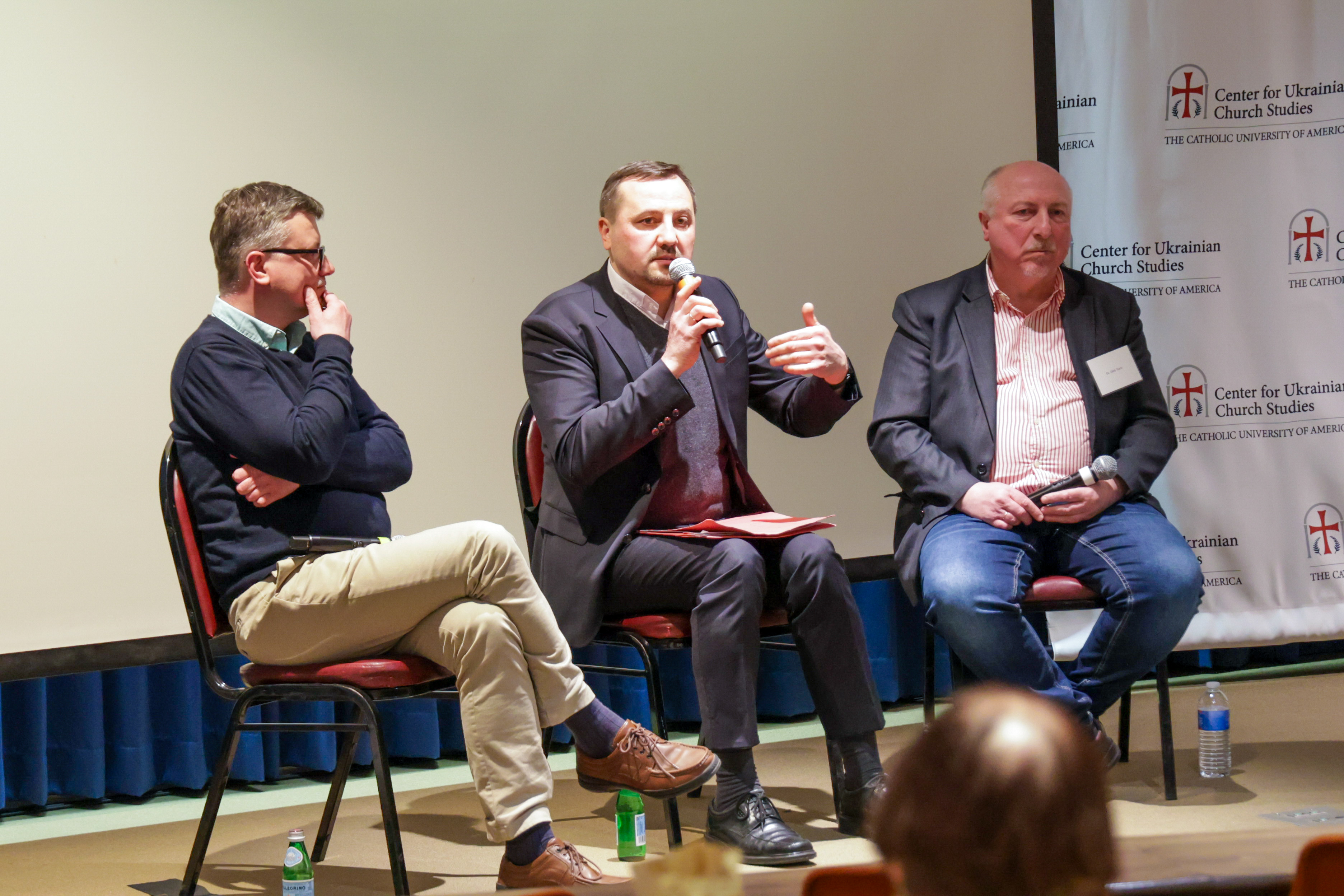
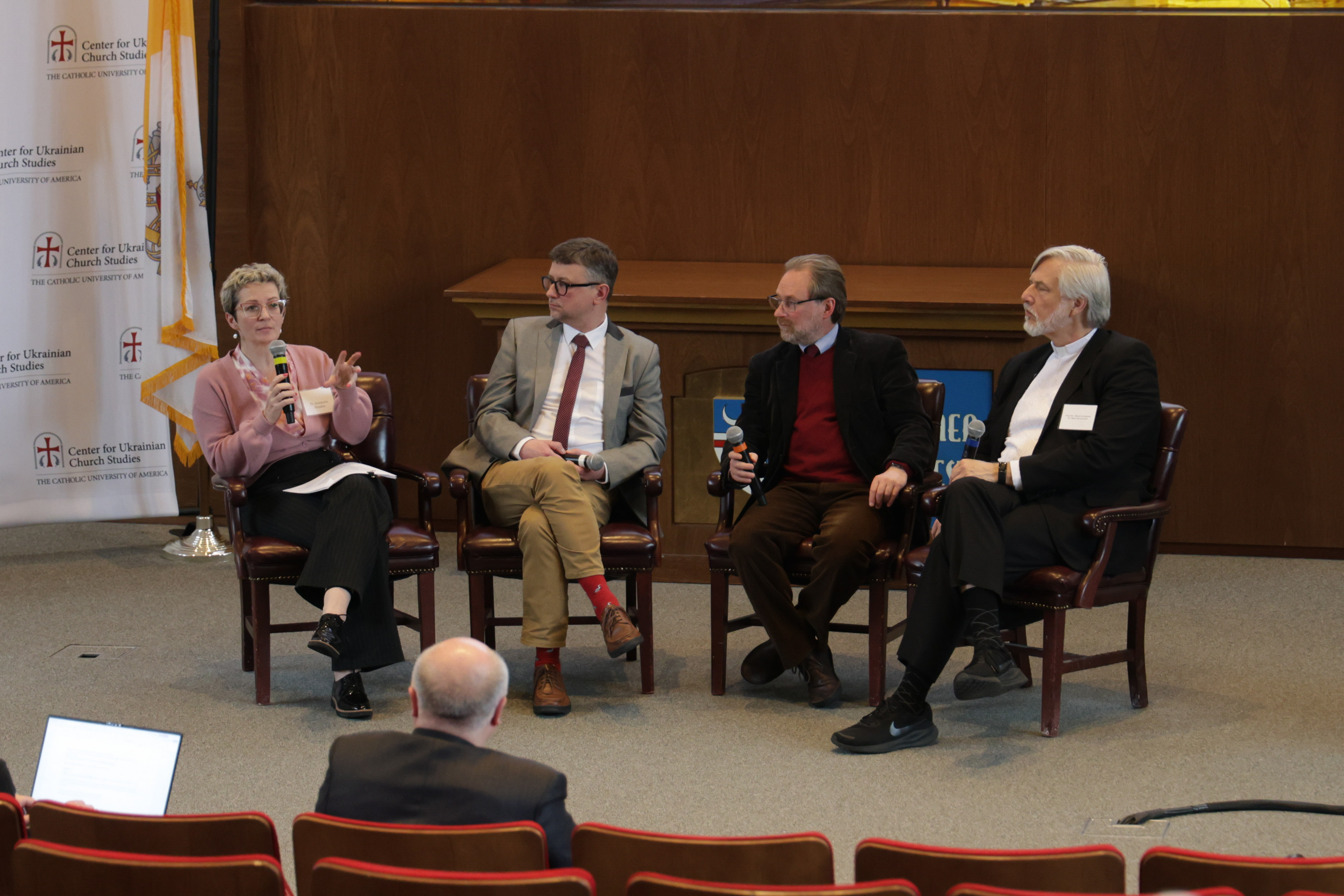
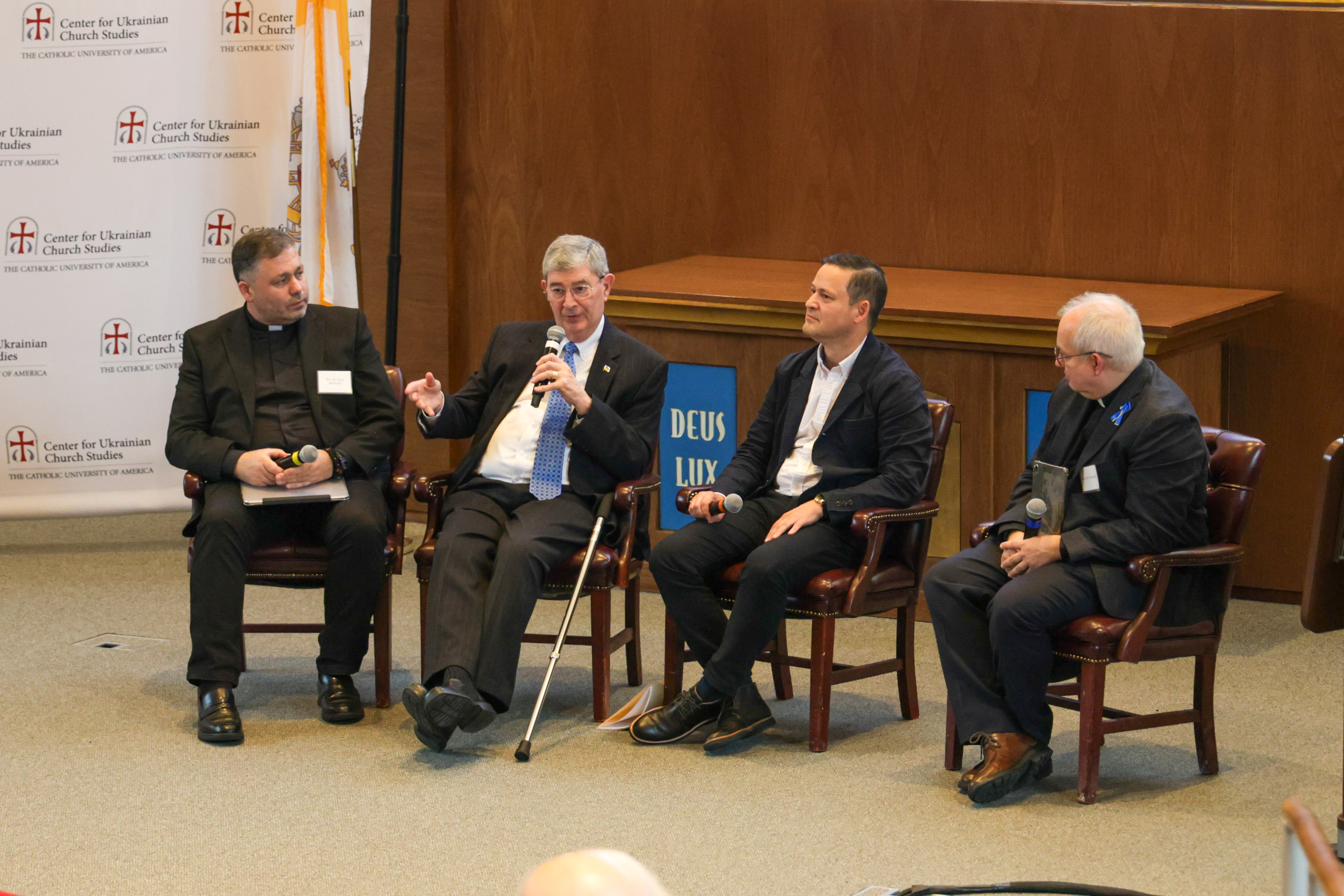
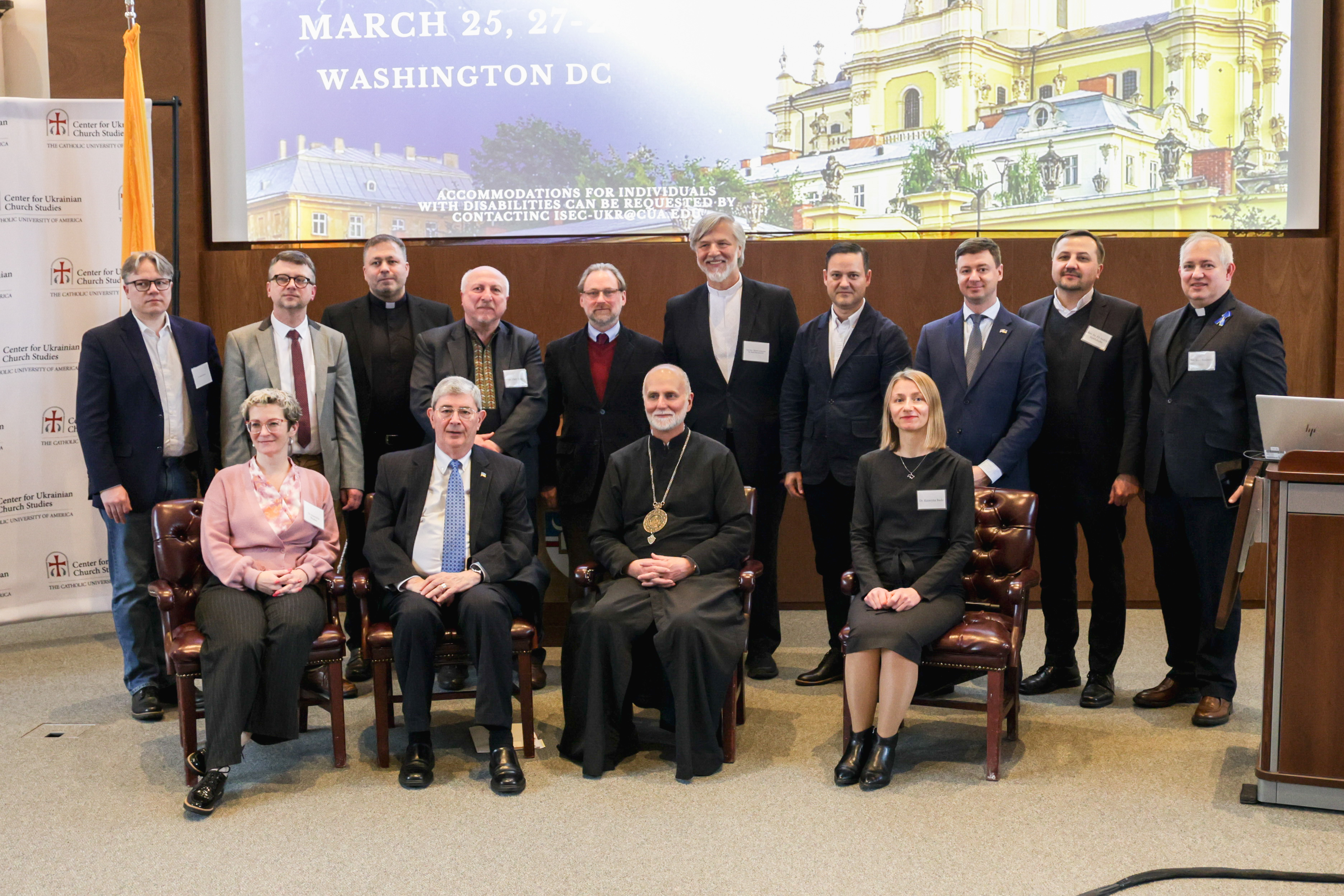
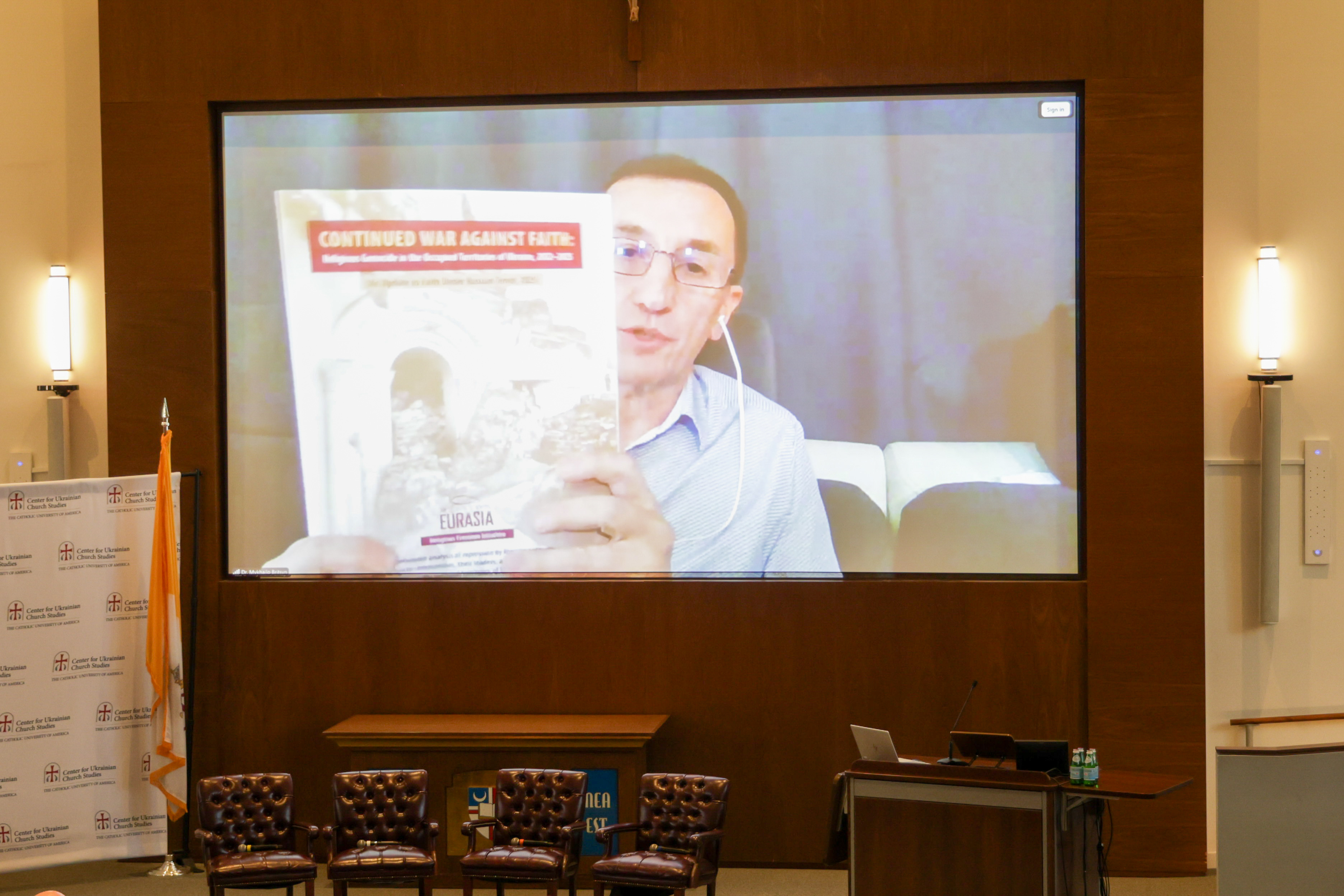
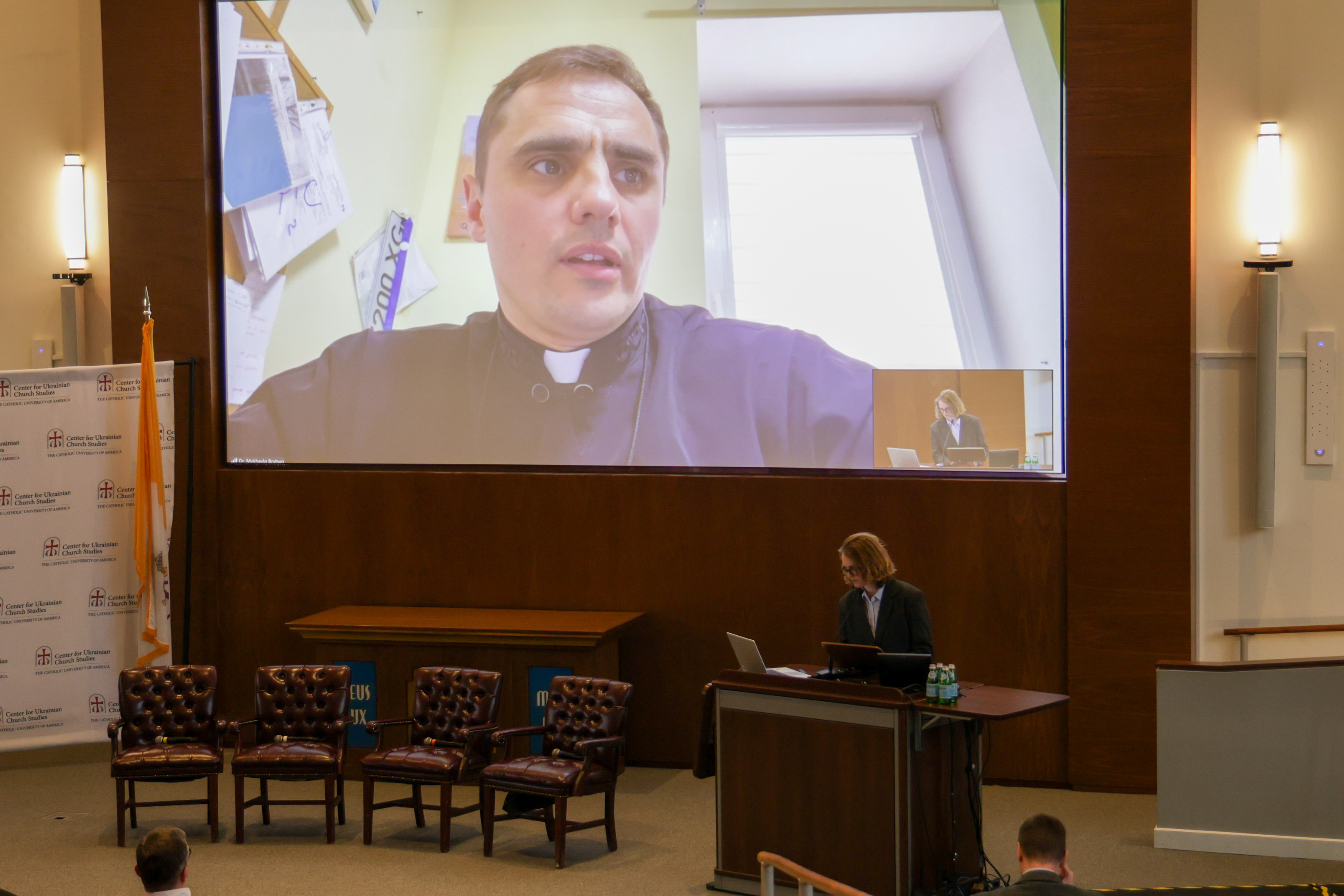
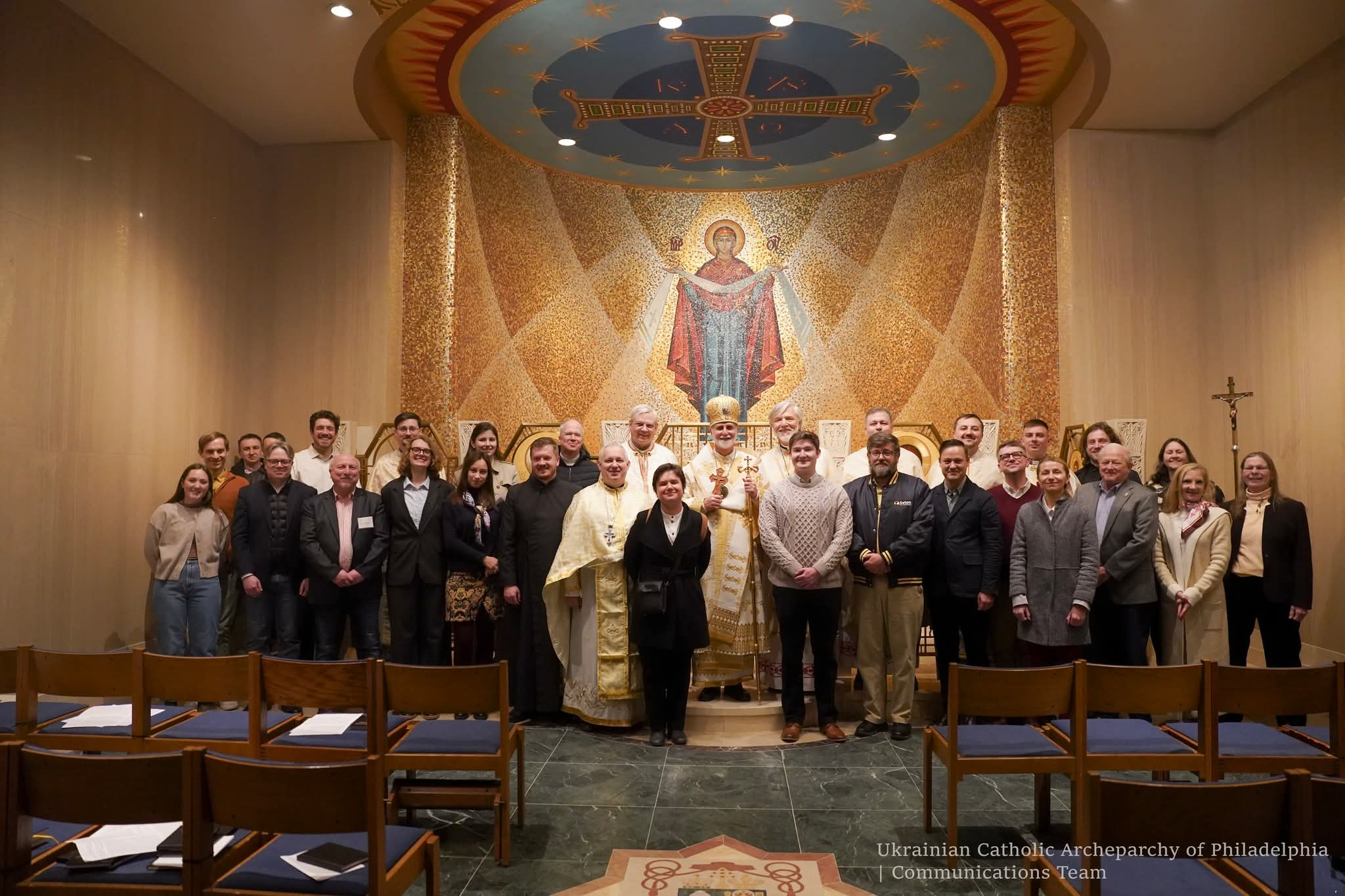
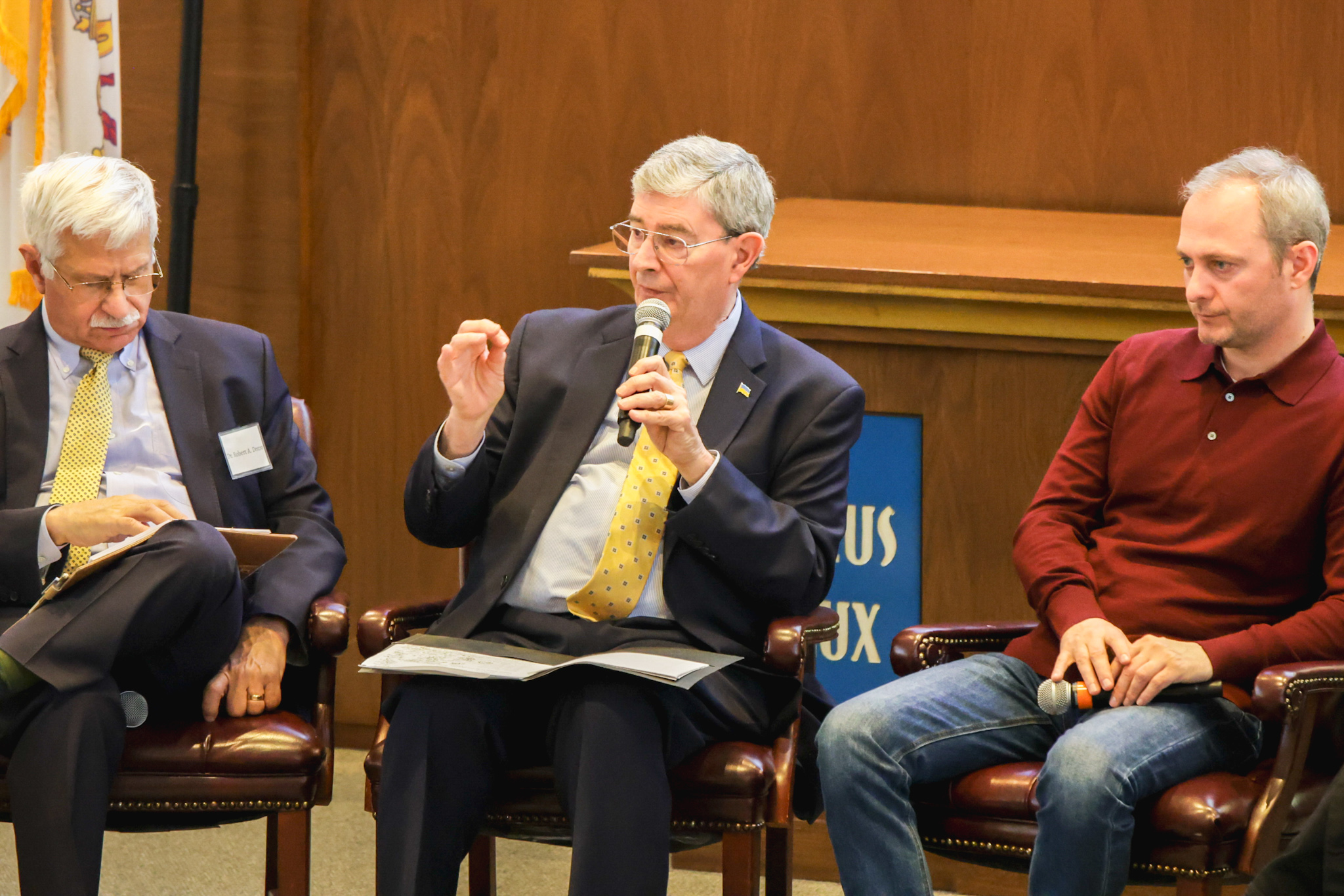
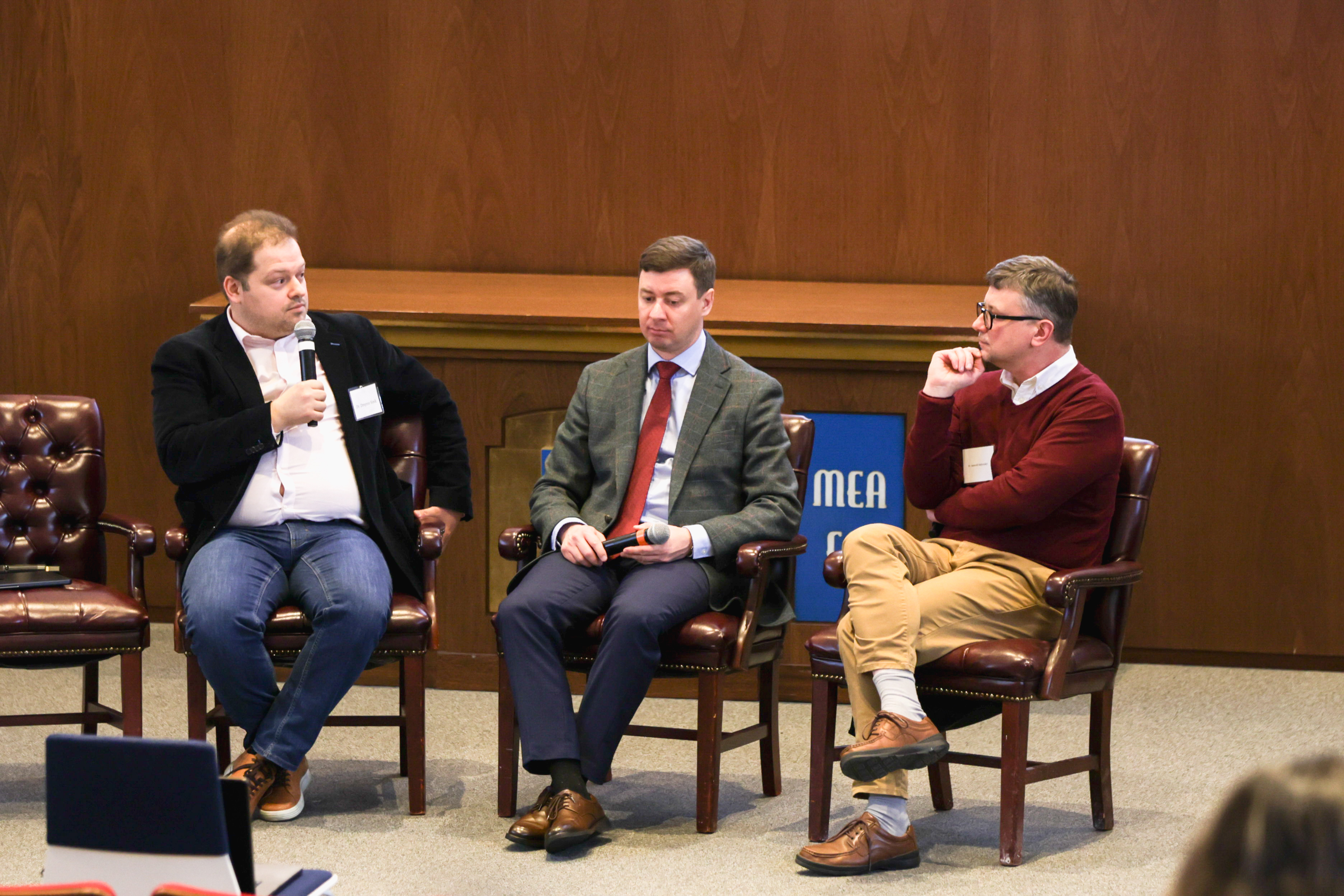
The Catholic University of America conference, “The 1946 Pseudo-Sobor: 80 Years Later — The Persecution Continues,” was held on March 27-28 and drew over 100 participants. Sponsored by Catholic University’s Center for Ukrainian Church Studies, in partnership with Ukrainian Catholic University in Lviv and the St. Gabriel Institute in Washington, the conference marked the somber 80th anniversary of the 1946 Lviv Pseudo-Sobor: an illegitimate church council during which Stalinist Soviet authorities, through their security services and in cooperation with the Russian Orthodox Church, sought to eliminate the Ukrainian Greek Catholic Church from its territories. This event is a stark example of the use of state violence to forcibly convert believers to a state-sponsored faith. This coerced “reunion” of Ukrainian Greek Catholics and Russian Orthodox created the largest underground church of the twentieth century, predominantly in Western Ukraine.
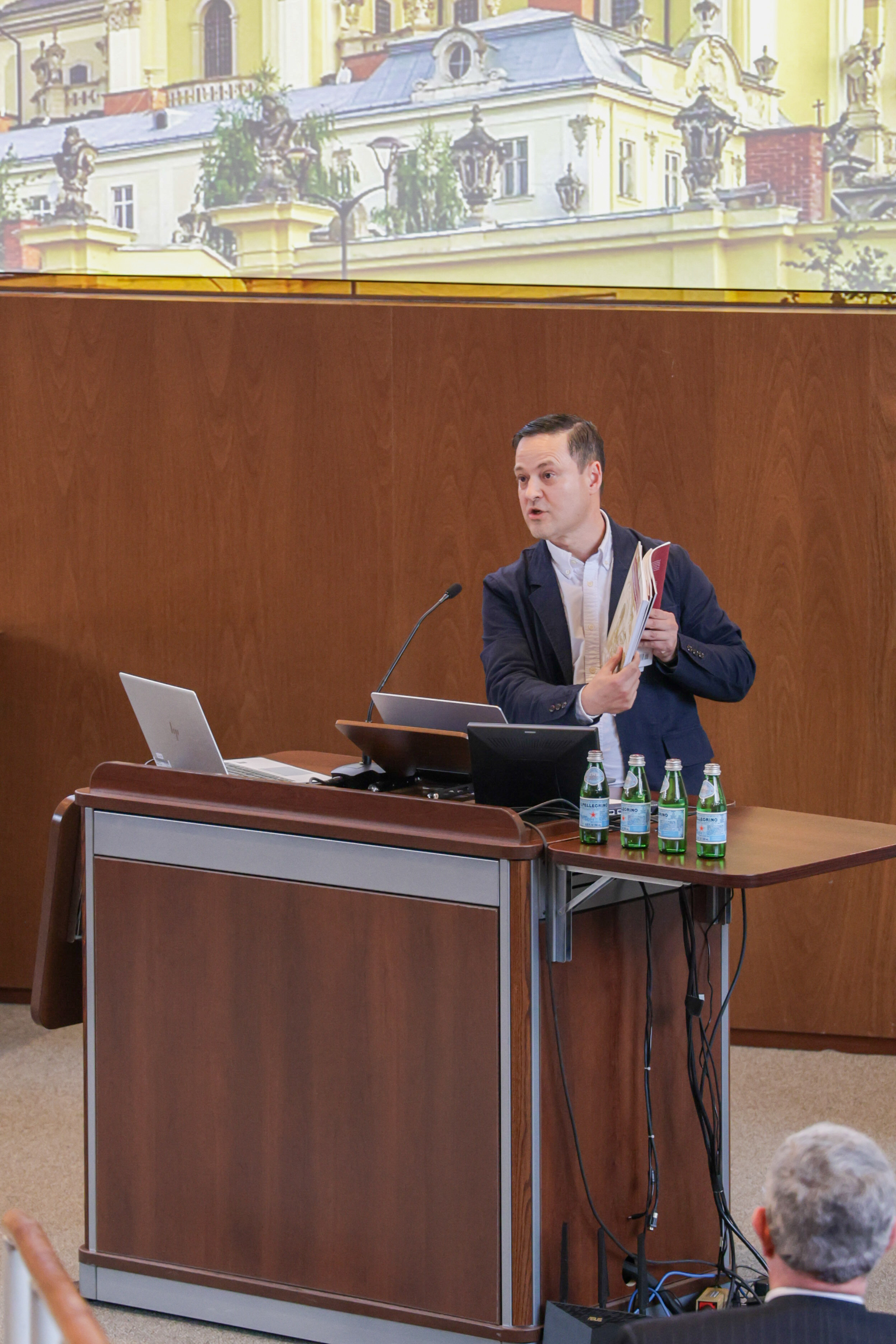
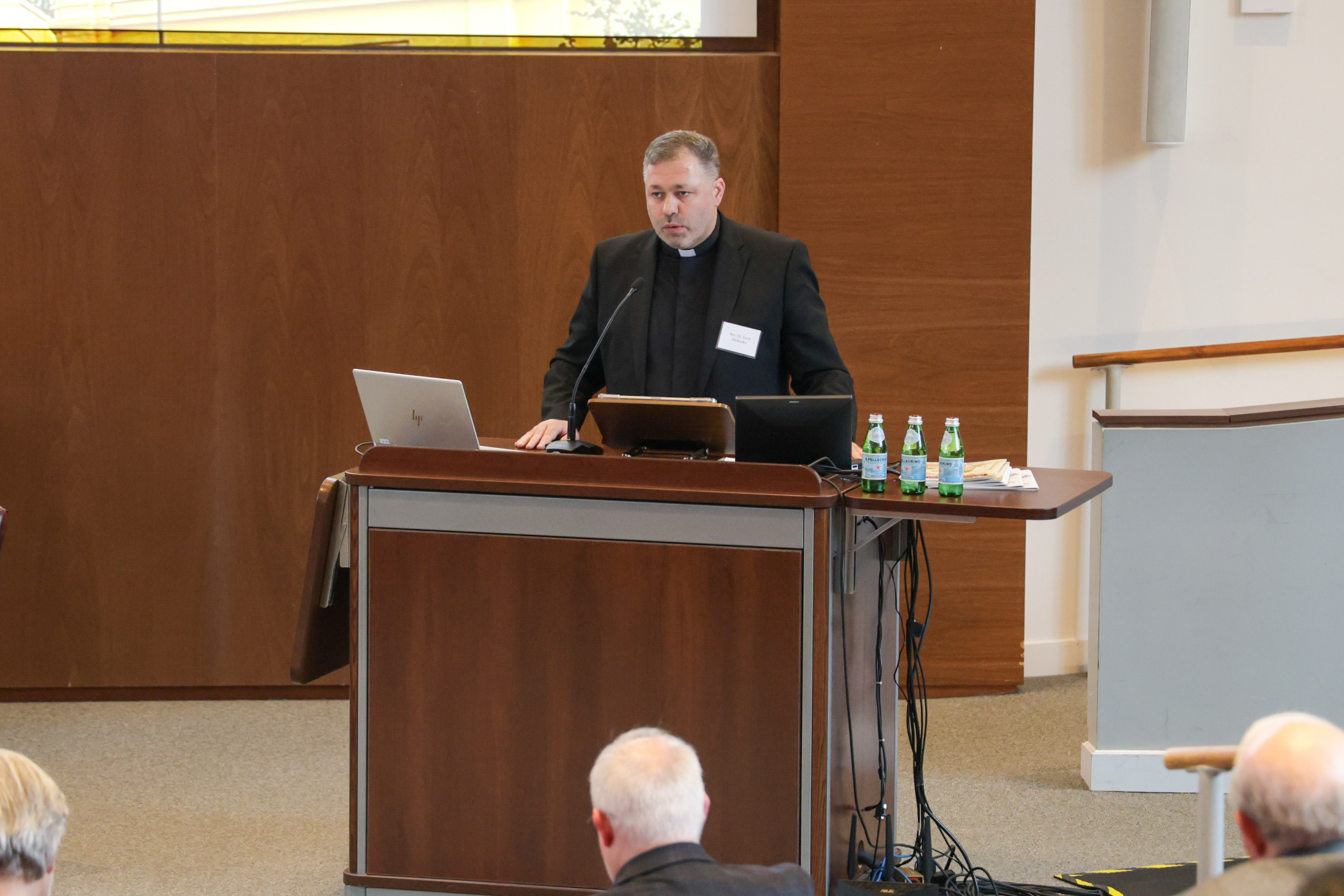
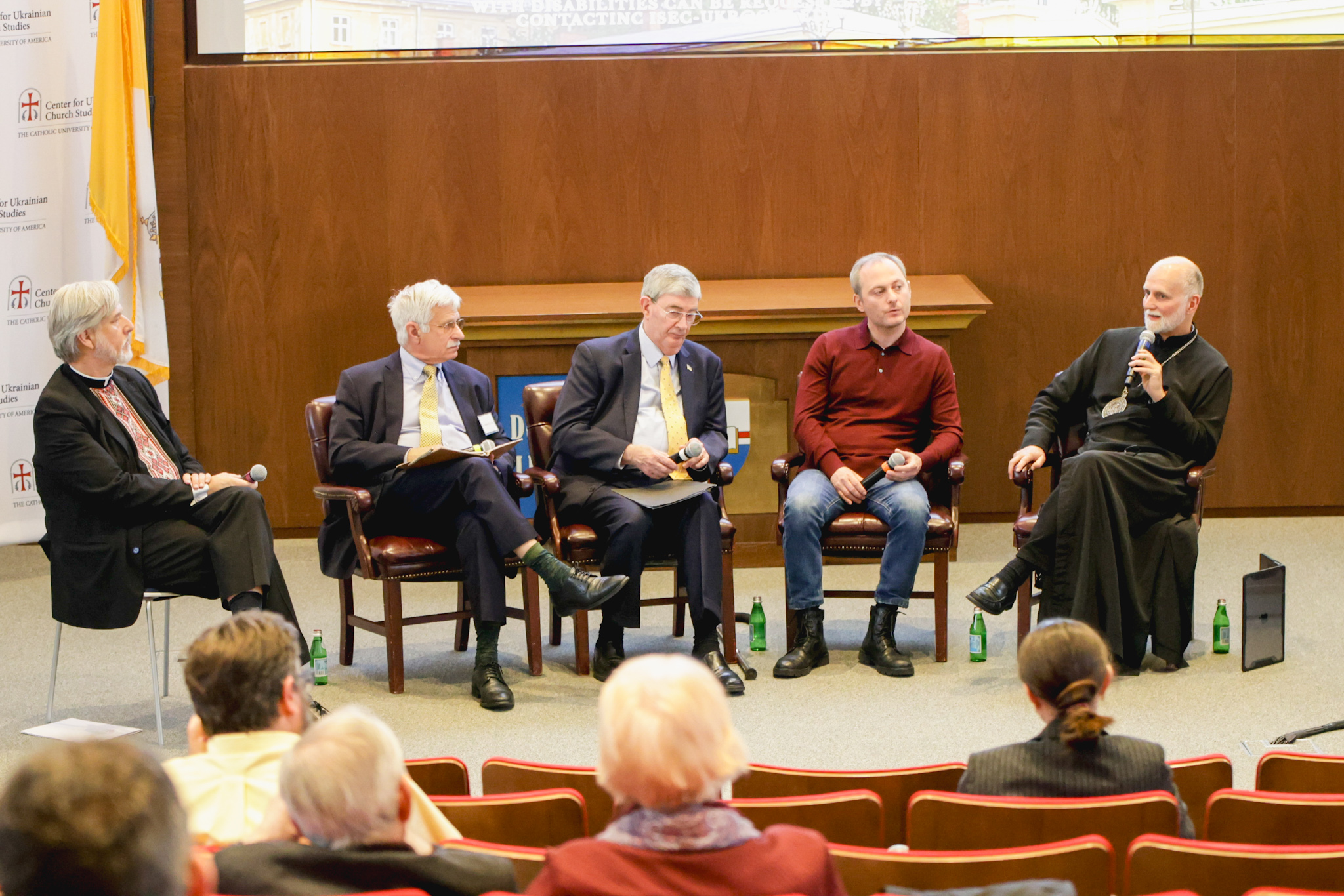
Dr. Oleh Turiy, vice-rector of Ukrainian Catholic University and director of the UCU’s Institute for Church History, reflected that “this conference encapsulates both the earlier imperial policies of tsarist Russia—where anything that did not fit the system was systematically destroyed—and the later policies of Soviet and now Putin’s Russia. In occupied territories, the state immediately attempts to eliminate any church that does not align with its totalitarian model.” In light of Russia’s continuing aggression against Ukraine, the conference explored not only the pseudo-sobor’s consequential and painful chapter of modern Church history. but also demonstrated how similar patterns of repression are reemerging within the context of Russia’s full-scale war against Ukraine. As of the end of 2025, 737 Ukrainian places of worship were damaged or destroyed by the Russian military. 67 clergy and faith leaders across denominations have been killed. As recently as March 24, a Russian drone attack struck five meters from a UNESCO-listed 17th-century church in Lviv.
Places of worship are being systematically shut down, looted by Russian troops, or repurposed by occupation authorities into administrative buildings. The highest levels of destruction were recorded in the Donetsk region (at least 146 sites), Luhansk region (at least 83), and Kherson region (at least 78). Significant damage was also documented in the Kyiv region (73), where Russian forces attempted to seize the capital in the early weeks of the invasion. As hostilities continue, the number of destroyed religious sites is steadily increasing in Kharkiv (at least 62), Zaporizhzhia (at least 51), and Mykolaiv (at least 41) regions.
Russia’s war against Ukraine is a genocide. Both the Kremlin’s rhetoric and the actions of the Russian military point to an intent to destroy Ukrainians as a sovereign nation and as an ethnic group. Under international humanitarian law, such intent is evidenced not only by the widespread killing of civilians and systematic attacks on critical infrastructure, but also by the deliberate destruction of Ukraine’s cultural and spiritual heritage. Russian forces have intentionally targeted museums, libraries, Ukrainian-language books, historical monuments, cultural landmarks, and religious institutions—key symbols of Ukraine’s identity and nationhood.
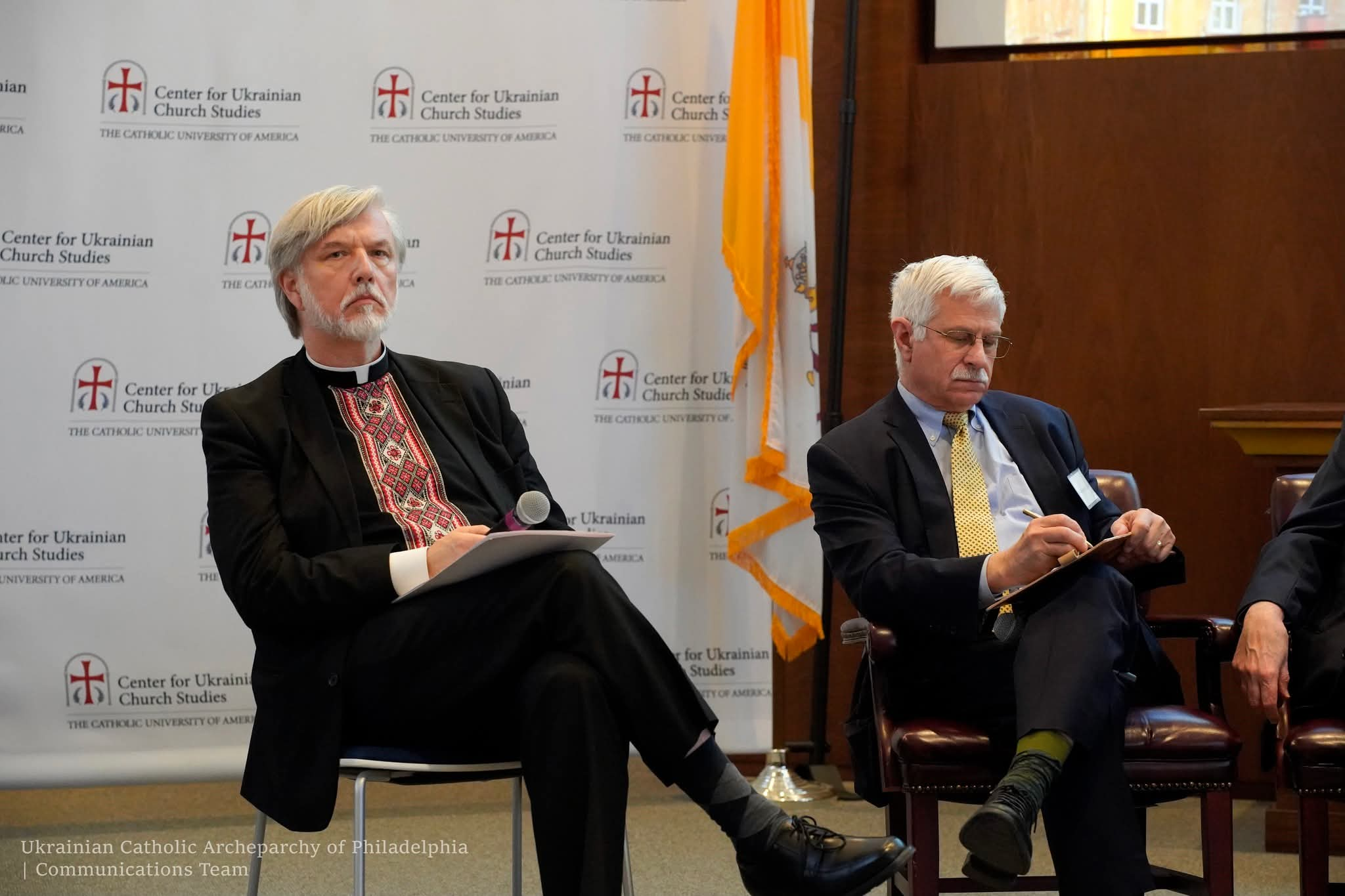
Very Rev. Mitered Archpriest Dr. Mark M. Morozowich underscored that religious persecution is not just an issue of history but one that is deeply relevant today: “In today’s world, religious freedom is being suppressed by Russia in the occupied territories of Ukraine. People in Washington—and across America—need to understand that. They need to see that their Catholic, their Protestant, their Jewish, and all of their brothers’ and sisters’ are being persecuted. Churches are being seized and converted to state facilities. Human freedom, especially freedom of religion, is fundamental. It is what defines us as human beings. And anyone who suppresses these freedoms is, in essence, desecrating the very temple of God.”
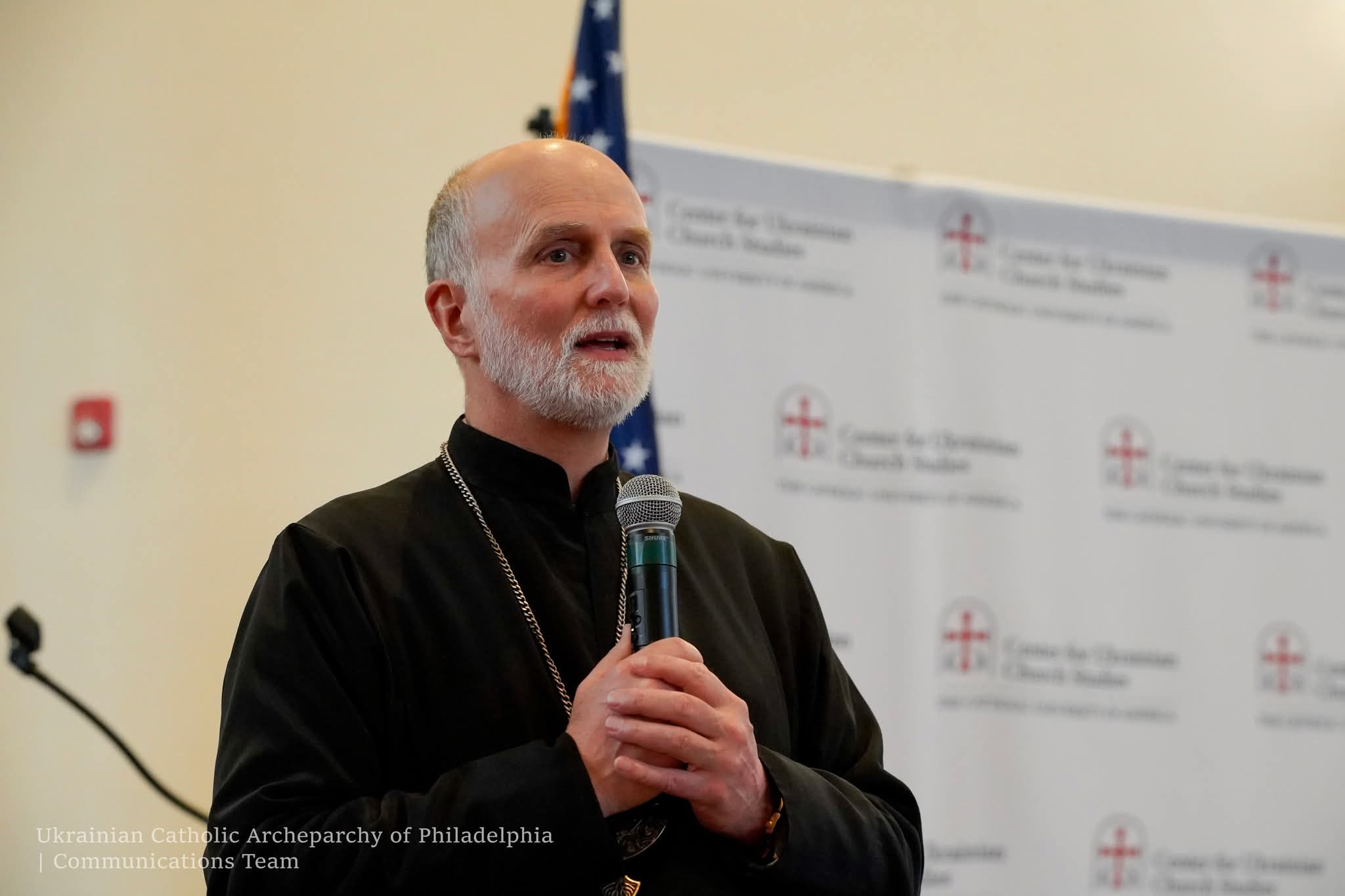
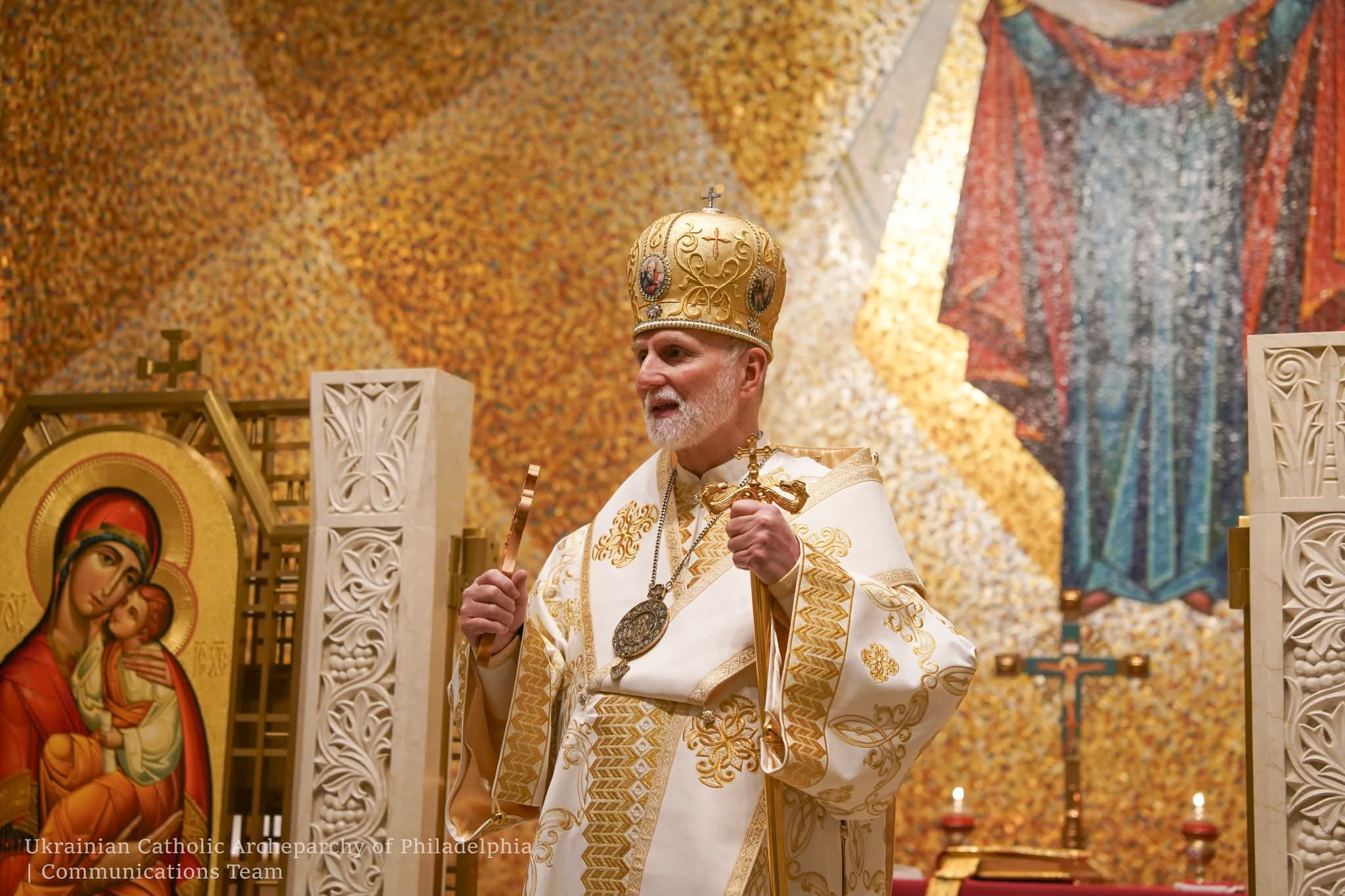
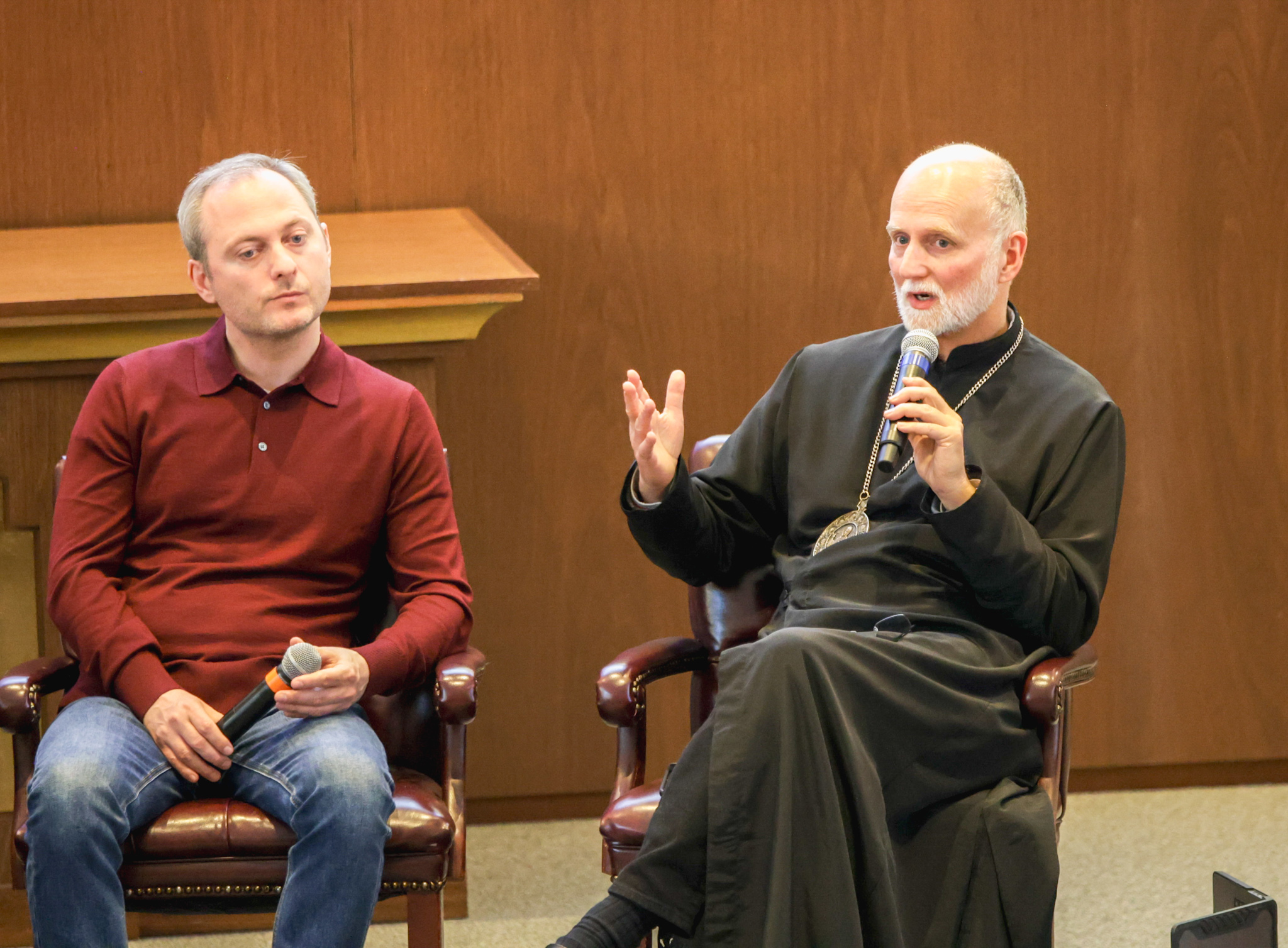
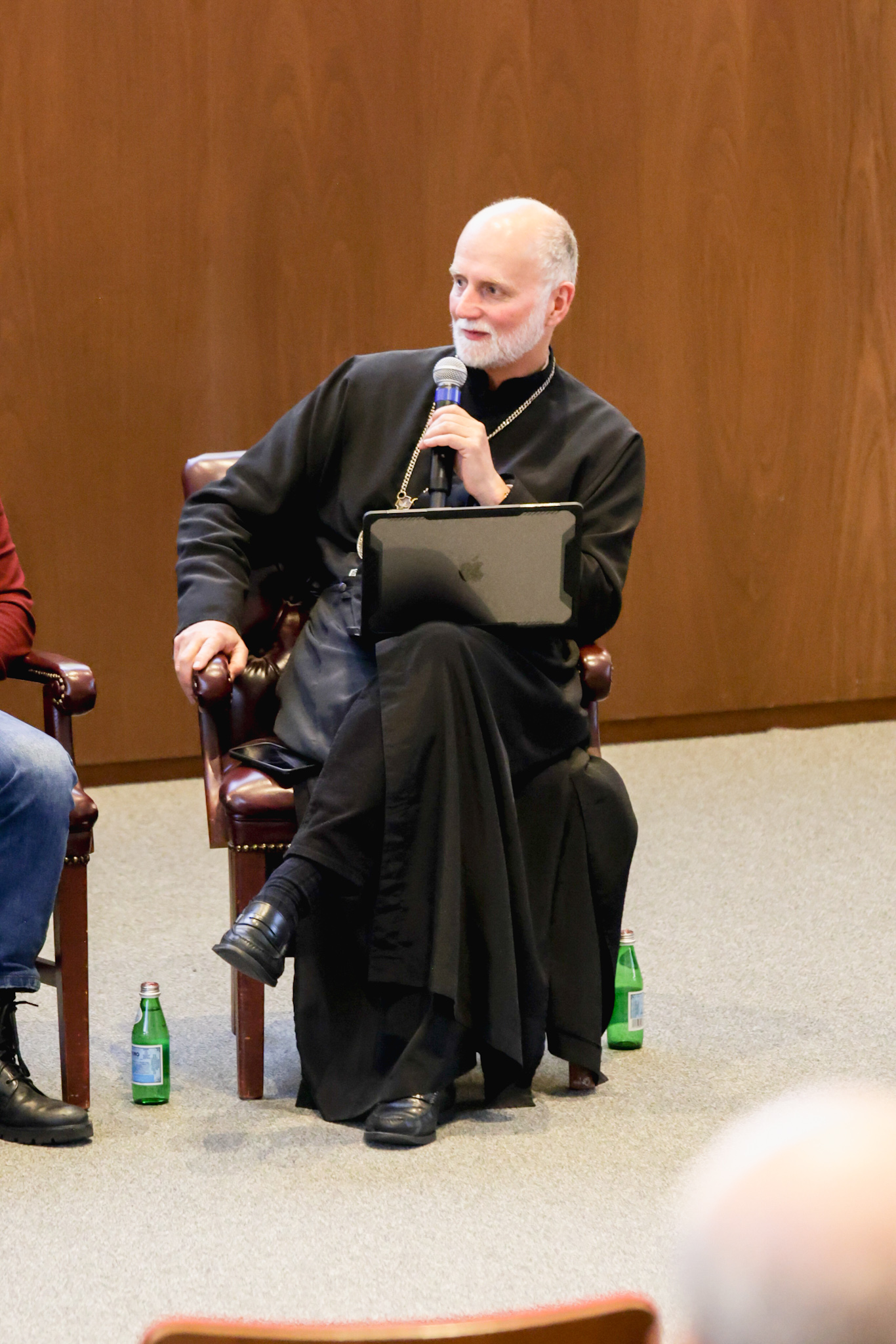
Archbishop Borys Gudziak, metropolitan archbishop of Philadelphia for Ukrainians, summarized the conference well in his comments: “Looking at this history, we see the roots of today’s tragedy, today’s falsehoods, and today’s national policies, ideologies, and actions. It is crucial to call things by their proper names and communicate the truth about what is happening in Ukraine—the truth about the ‘Russian world’ ideology and Russia’s unlawful imperialist aggression. The wider world must not forget Ukraine. It must take a clear stance and support those who are fighting for God’s truth, for human dignity, for freedom of conscience, and for the right to live justly in this world.”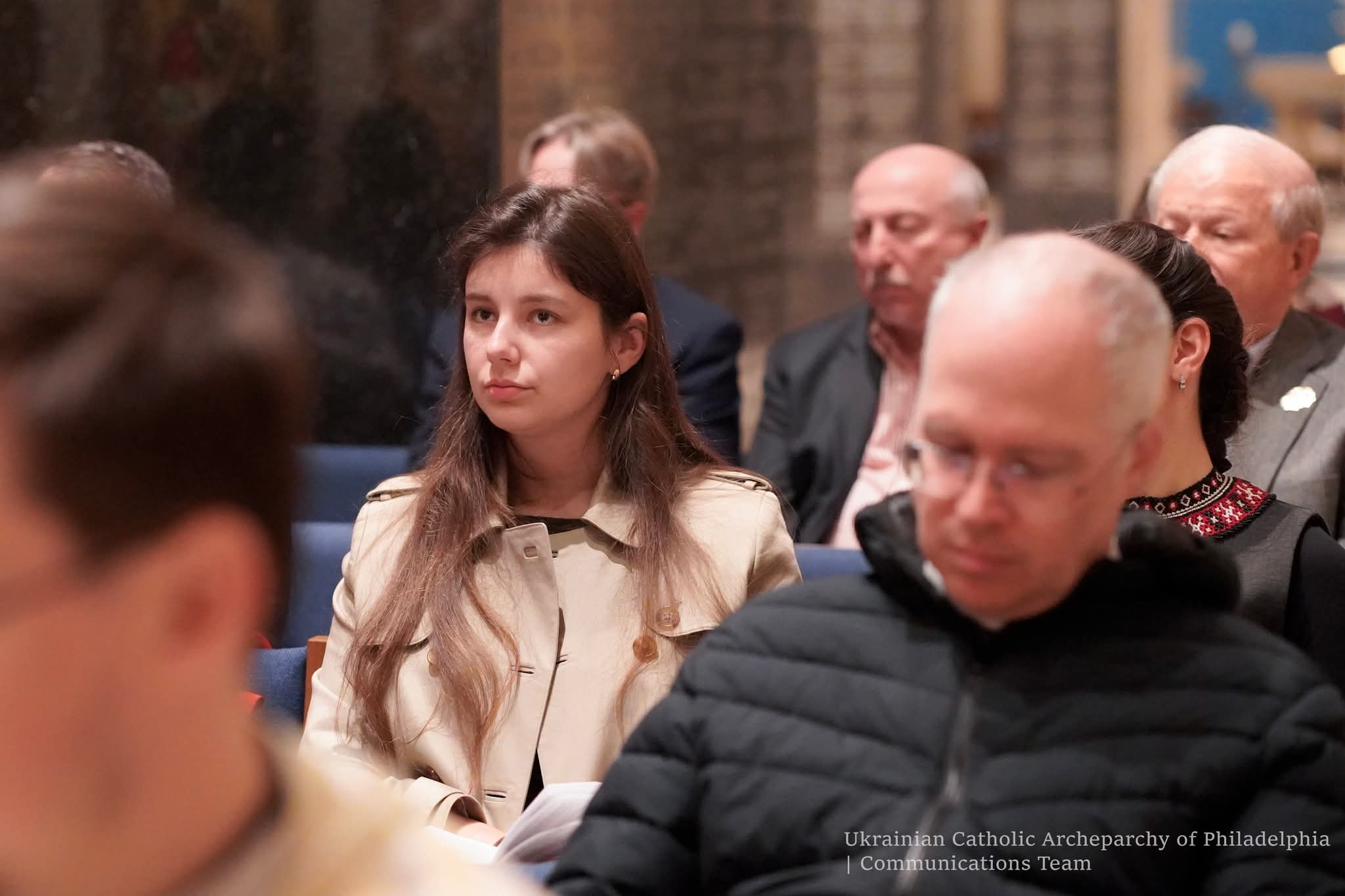
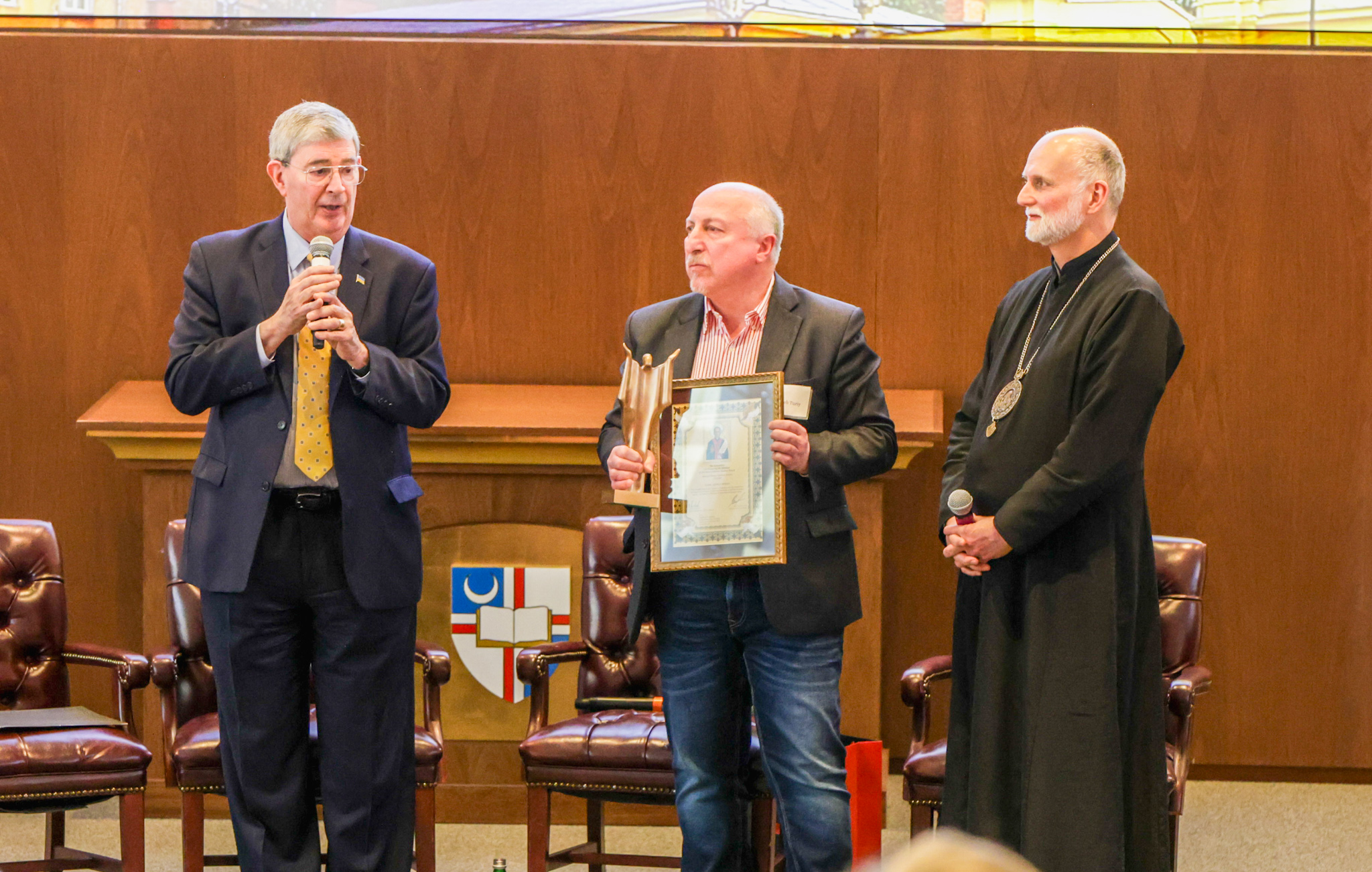
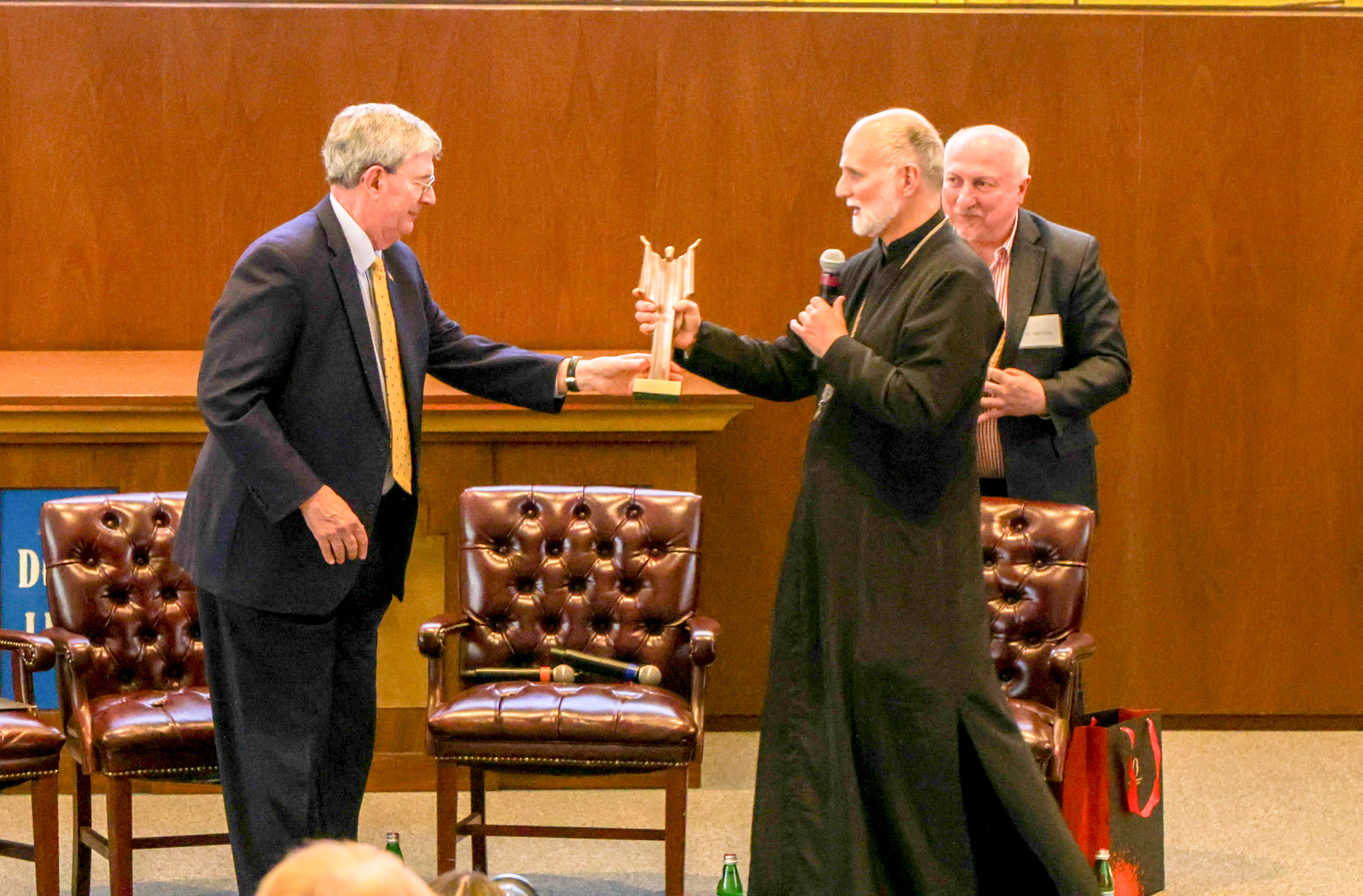
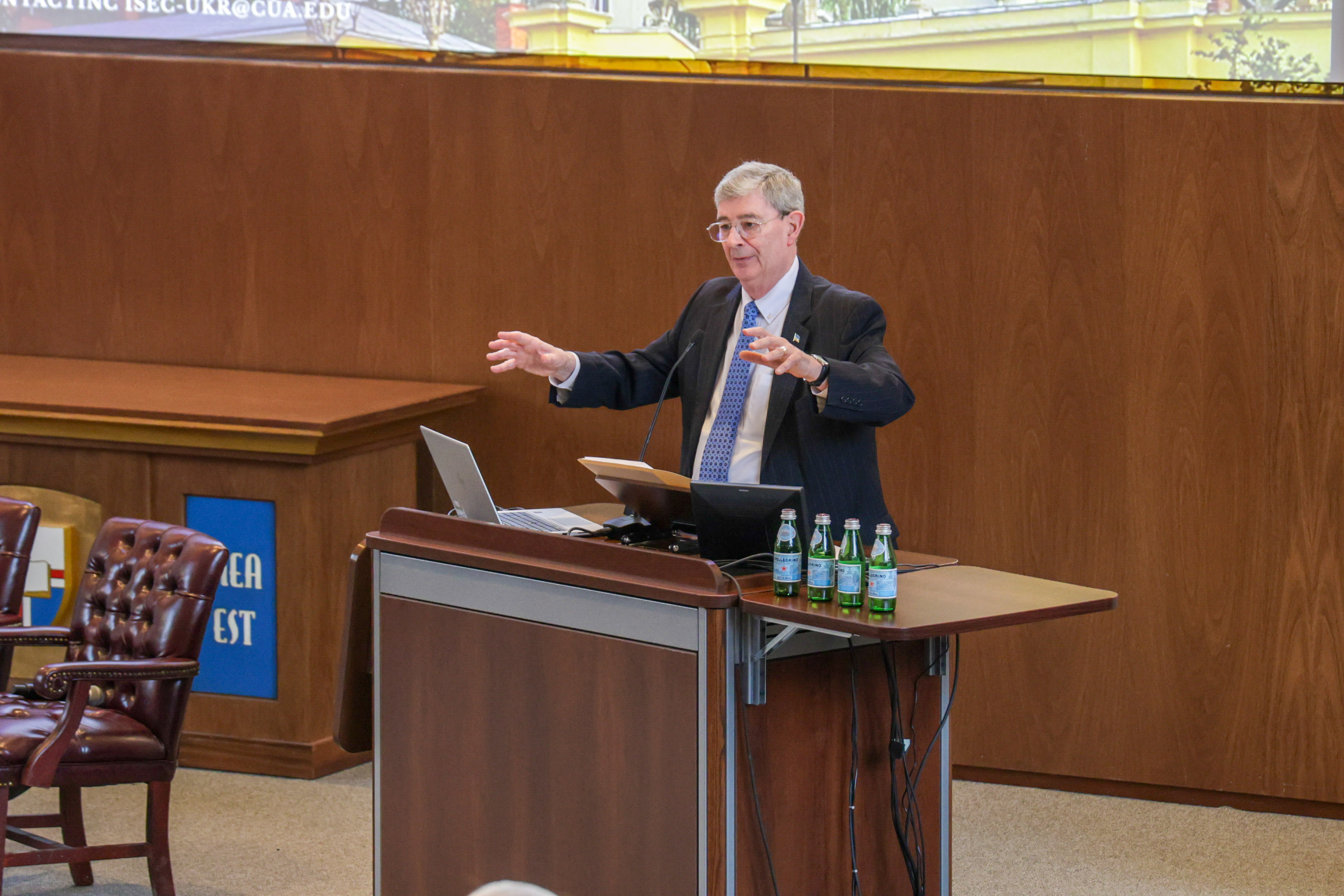
Also during the conference, the Blessed Omelyan Kovch International Award, presented for outstanding contributions to interethnic and ecumenical dialogue, was presented to George Weigel, Catholic theologian and senior Vatican analyst. Reflecting on the significance of the gathering, Weigel emphasized the importance of greater awareness within the United States about the war in Ukraine and the role of the Ukrainian Greek Catholic Church: “I think it’s very important for Americans to understand exactly what’s at stake in seeking Ukraine’s victory in this war against Russian aggression. Secondly, it’s important for Americans to recognize the extraordinary role played by the Ukrainian Greek Catholic Church—both in Ukraine and here in the United States. That has been clearly highlighted over these two days. Most Catholics in the United States know little or nothing about the Eastern Catholic Churches, and specifically about the Ukrainian Greek Catholic Church, which is one of the great martyr churches of our time. Its example should be an inspiration to all of us.”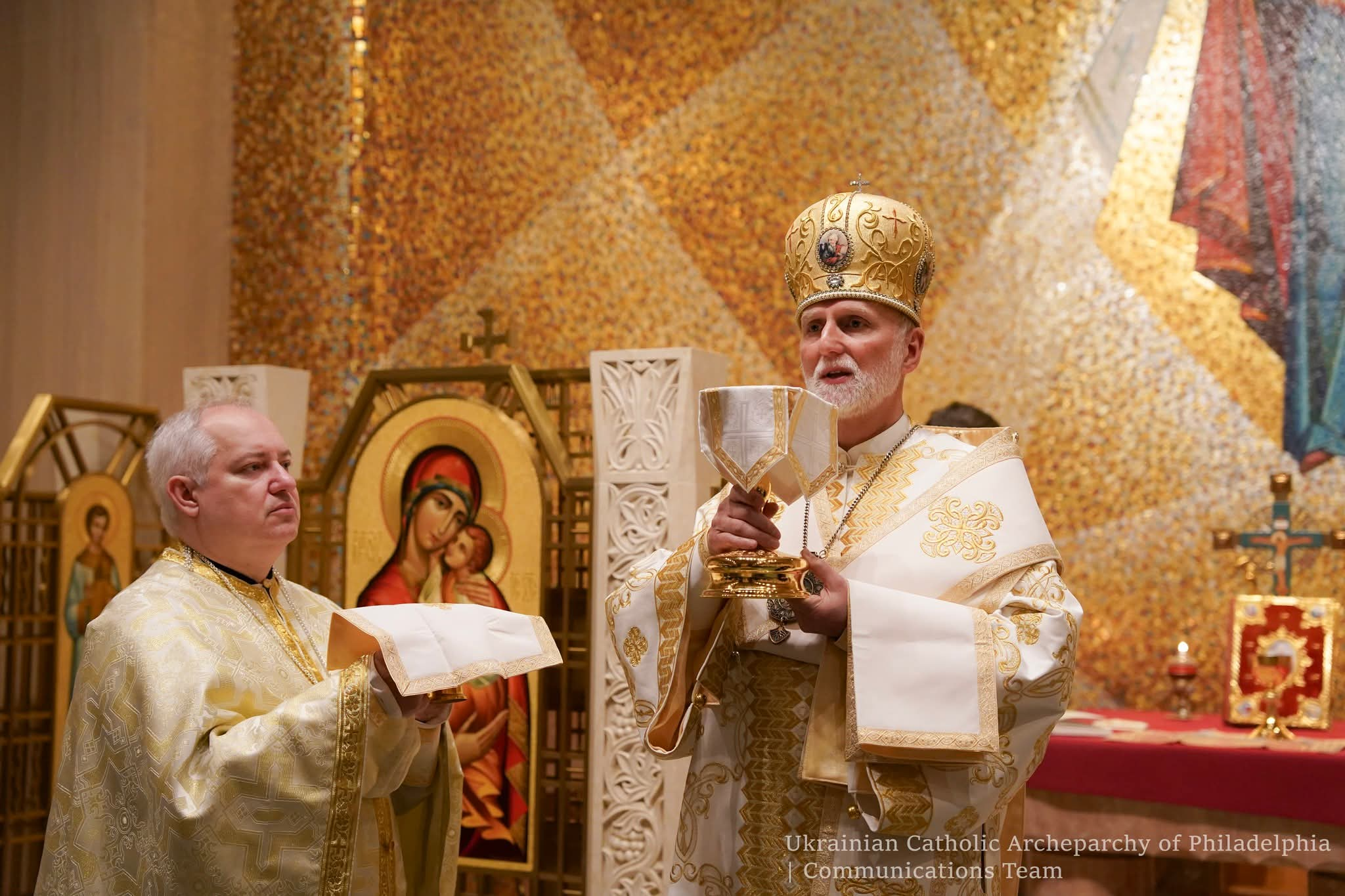
The conference also featured an exhibit titled “Empire Against the Church,” produced by the Ukrainian Institute of National Remembrance and the Institute of Church History of the Ukrainian Catholic University. The display reproduced historical documents and photos illustrating the history of Ukrainian Catholics under Russian and Soviet occupation. These panels may be accessed on the Center for Ukrainian Church Studies website by clicking here. Likewise, a special icon exhibit by iconographers Sonya Atlantova, Oleksandr Klymenko, and Herman Klymenko was on display and is entitled “Marian Icons on Ammo Boxes.” These striking icons were painted on ammunition boxes recovered from the front lines of Ukraine and highlight the human cost of the war. The icons strive to transform the means of war with the peace of God. The icons feature the Mother of God with the child Jesus. The artists strive to focus on Ukrainian children held in Russian captivity and ongoing efforts to bring them home. 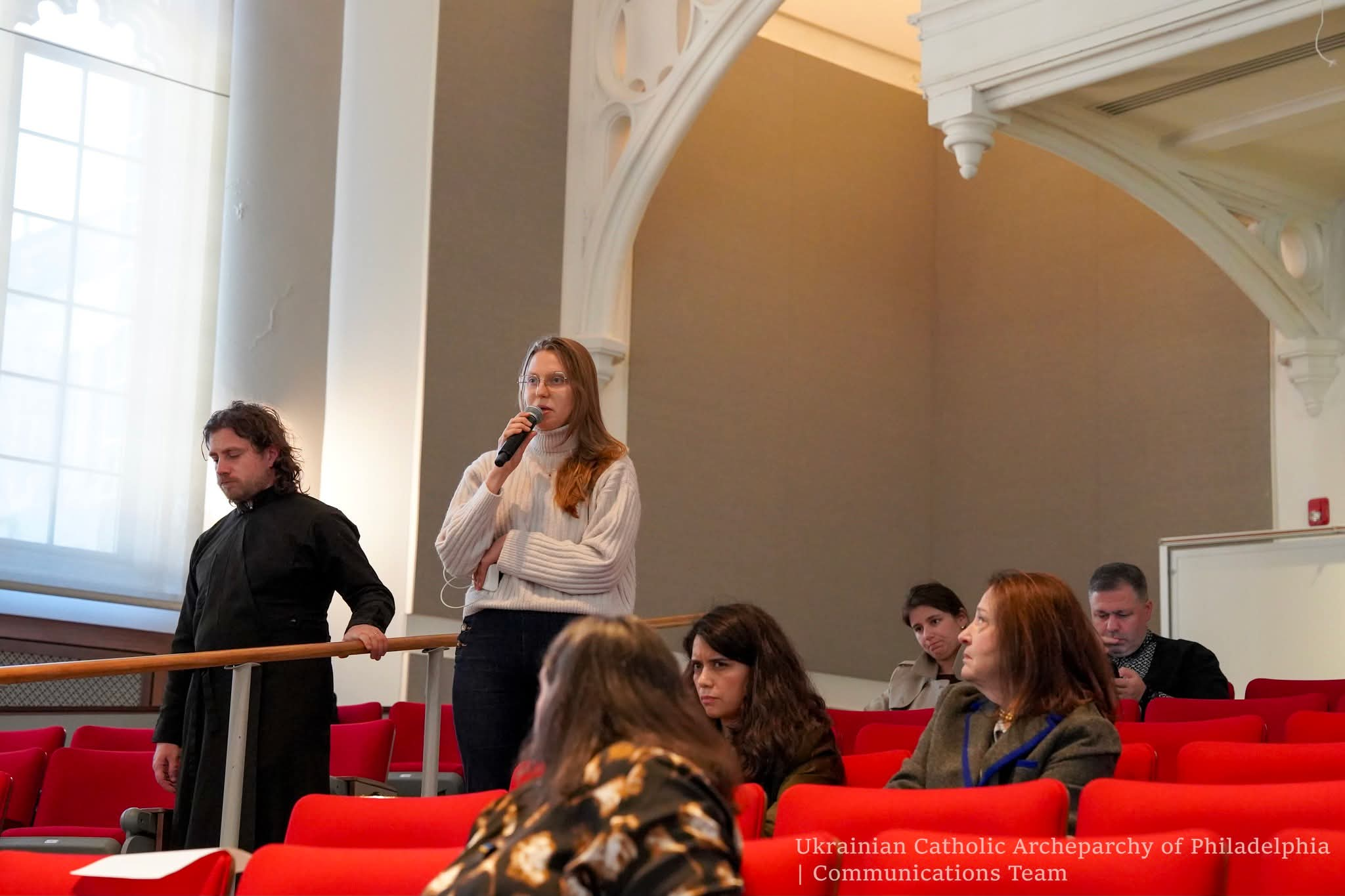
Finally, inspired during the conference, Metropolitan Borys Gudziak suggested that the conference issue a joint statement, an appeal to stop religious persecution in Russian-occupied Ukraine. We invite you to join the Archbishop’s initiative and to sign it by clicking here. Your signature will support the ongoing efforts of defending religious liberties in Russia-occupied territories.